✅ List Dump: 9 August 2026 - stranded in paris, playlist, more pigeons, relearning reading, atmospheric reentry, bye casablanca!, OCD, telos, chimerical colors & other sensory illusions, prime numbers
just a list of things I want to share in no order other than the sequence of remembering


Bismillah. We begin everything with the name of Allah. We recite Bismillah to initiate an act, acknowledging the intention and ethics that follow.

Words (not including the ones describing the words I am typing to tell you about the word count):4,098

[007]
Someone wrote that these lists are “delightful.” Thank you for this word. They are a delight to write, and I can only hope that the delicate joy I receive in writing them can be transferred to your reading experience.
***
Check out the first one, or TL;DR: territorial mice, nipple injury, improv, an expensive orifice, dumplings, games, garden poems, friendship lore, and good times; the second one, TL;DR: spite-based newsletter writing, gil scott-heron and nina simone wish you a happy 4th of july, castle rock, bad dating app AI, bone broth, speech disorders, open-toe sandals, harper’s findings; the third one, TL;DR: cute patio situation in Montpellier, FR, facts about cicadas and acoustic defense, my love of tajin, unpublishing, Pope. L, falling in new york, and my new doggie friend; the fourth one, TL;DR: pigeons, citrus, compost, bad birthdays, making music; the fifth one, TL;DR: casablanca, unseasoned fish n’ chips, weird skin, basic pigeons of london, an evacuated center, archives and death; and the sixth one, TL;DR: borrowing english, translation, a waxing moon, community ovens, doors and windows, unmatchable hearts, 41st birthday on the atlantic ocean

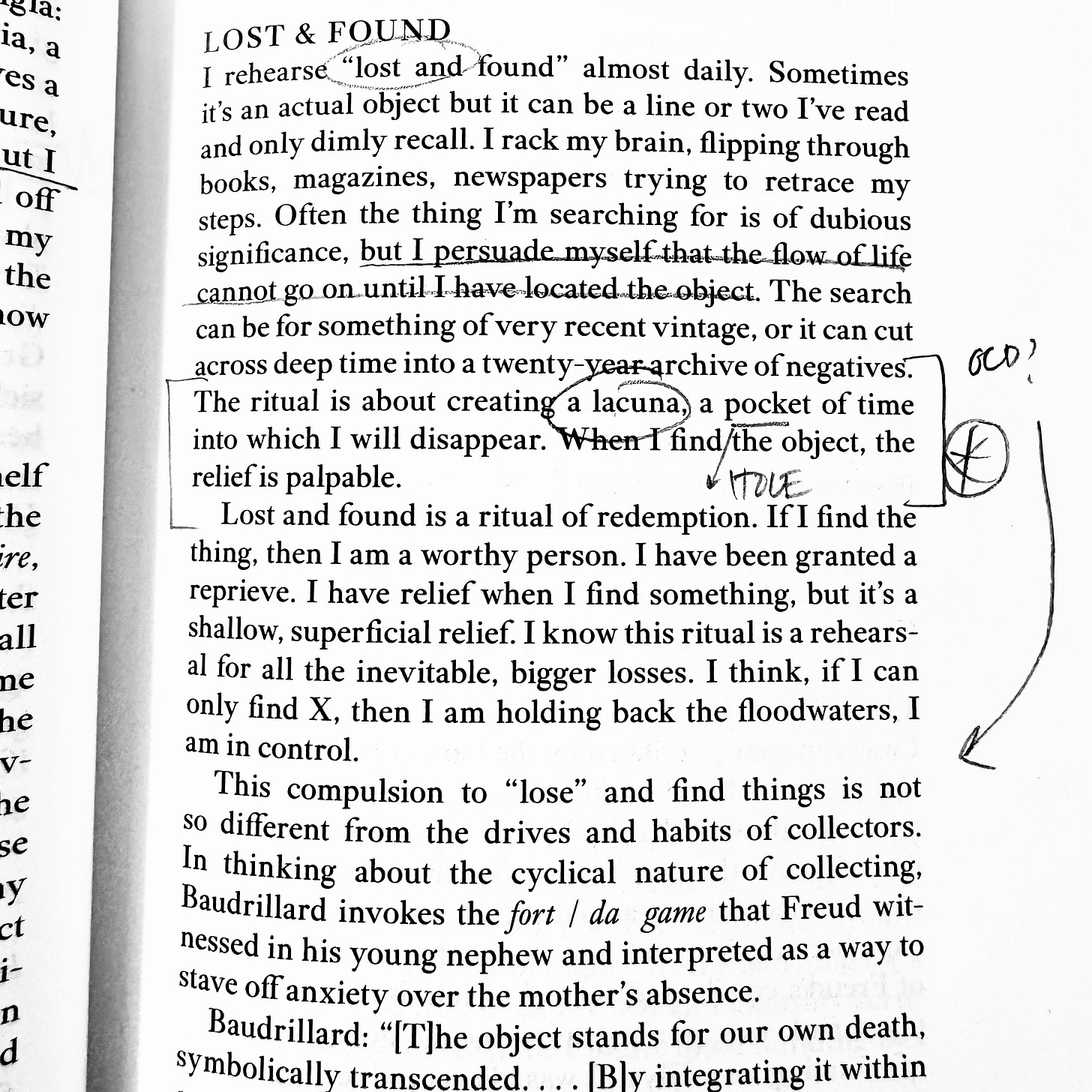
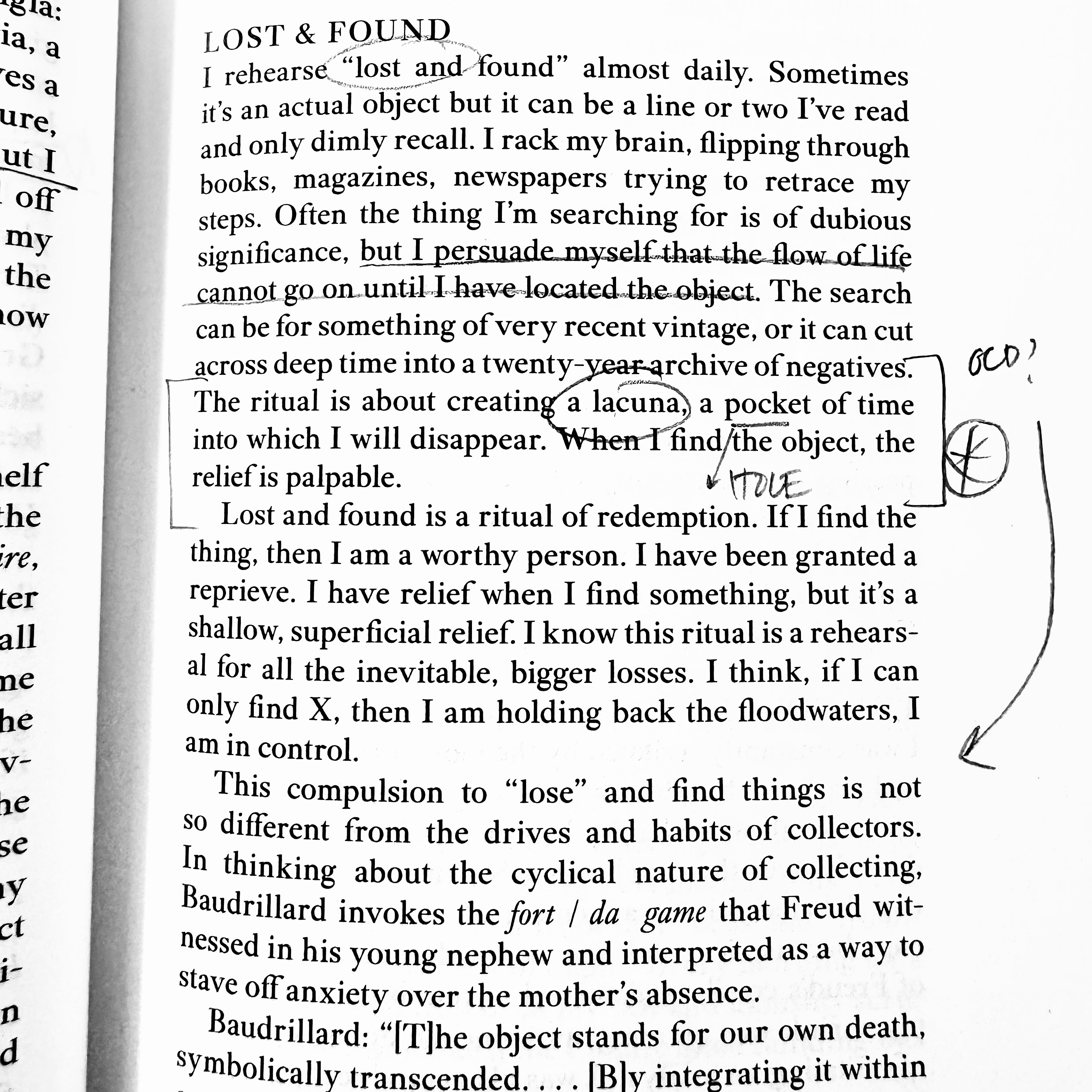
(Thank you to a dear friend who suggested Moyra Davey’s Index Cards!) My favorite sentences so far:
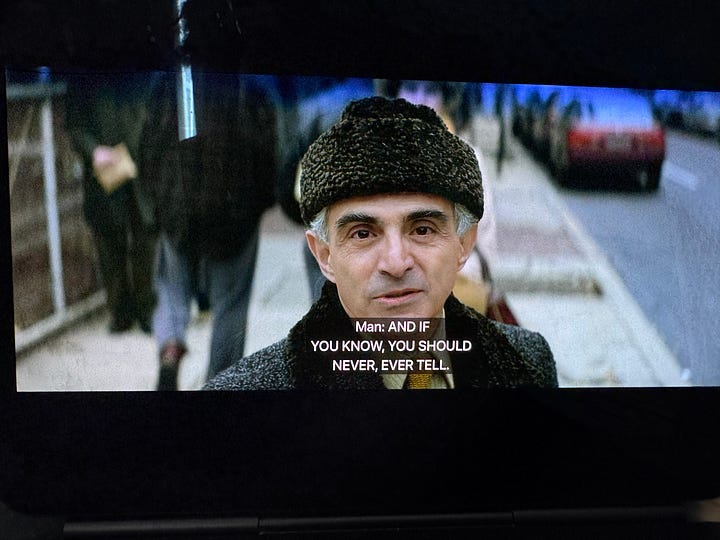
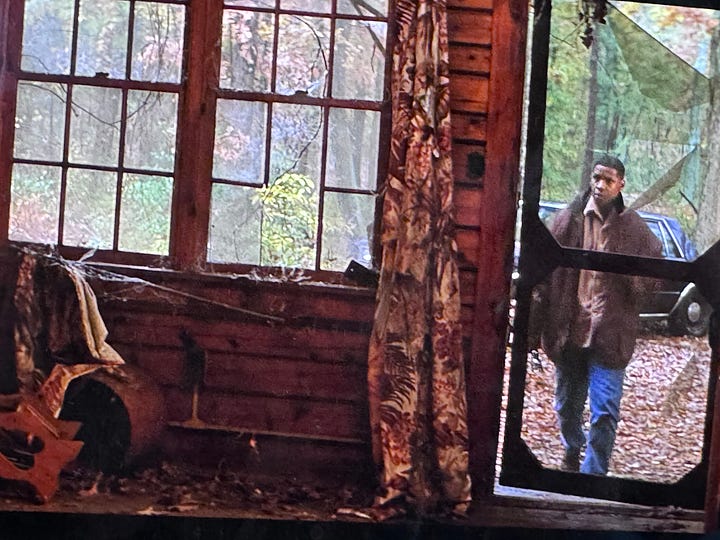
I am writing to you from Paris. I misbooked my ticket, and it ended up being cheaper to stay in Paris than to argue with Delta to change the flight. As such, I am here until tomorrow morning doing nothing more than eating, sleeping, and watching scary movies. First up, Fallen (1998). I watched this when I was maybe in middle school or early high school. For months, I feared being touched or the melody of a particular song because both were harbingers or maybe even a catalyst for this demonic spirit to jump bodies. So yeah, I am going to watch this first, lol.


I’d spent three weeks straight talking and socializing. For those who know me - know me, know that I am on the brink of a cute little autistic burnout situation. My migraines are these reminders that I am in sensory overload and need to sit somewhere quietly for a bit; I do not even want to hear my own voice. Amidst the terrible difficulty of this year, I have had a delicious summer. From taking a baby break in June to taking improv class, eating well, and going for walks, July and August have brought new relationships, curiosities, and commitments. My current exhaustion is all worth it for the richness of this season.
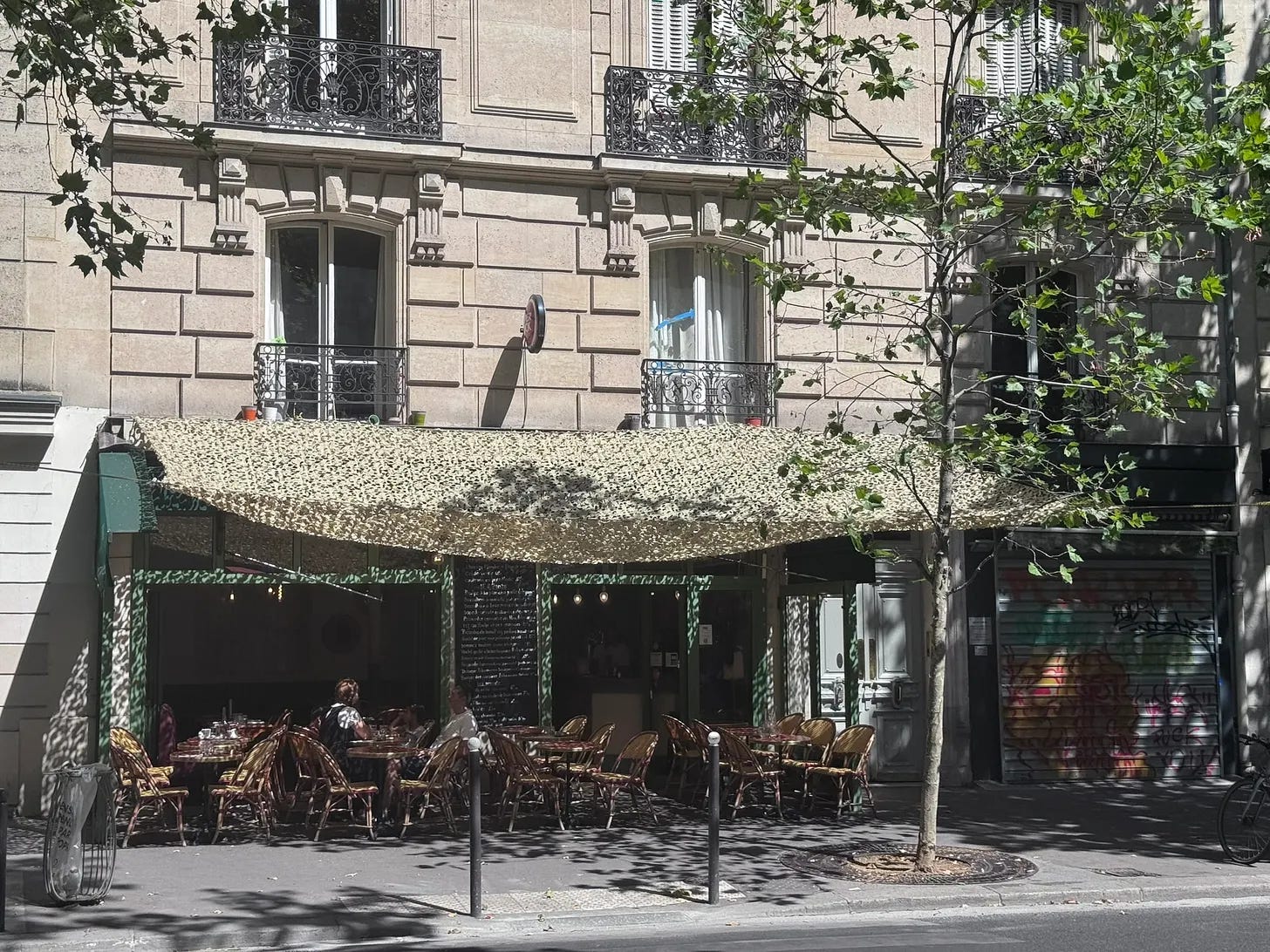
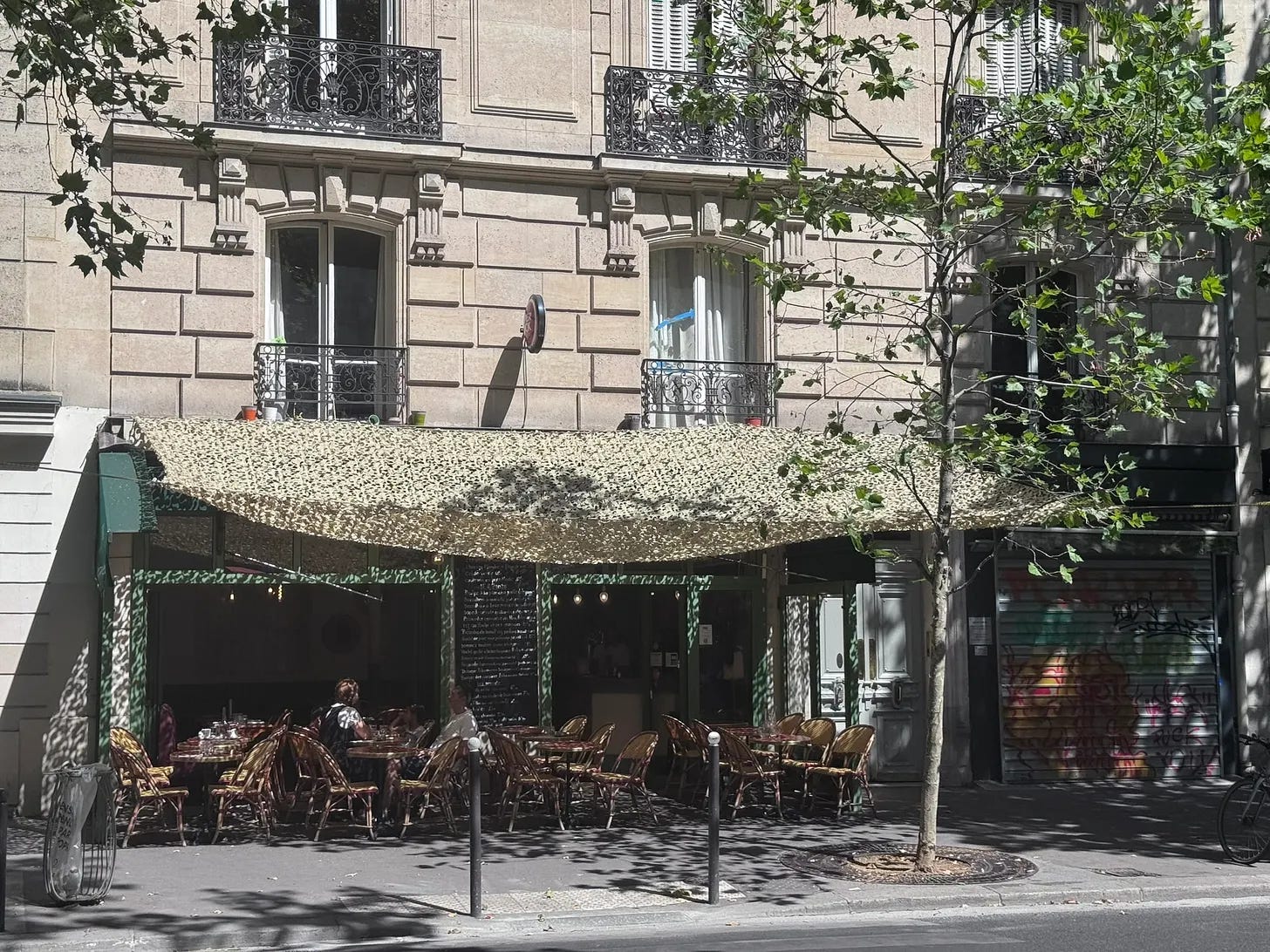
The best days in Paris are when everyone has gone away for vacation. This is the first time in maybe half a dozen visits when I was able to stroll. This allowed me to fully listen to my playlist this week:
Special Affair, The Internet
Get Away, The Internet
Under Control, The Internet
Can You Help Me, Lucy Rose
Pale Blue Eyes, Lucy Rose
FEEL., Kendrick Lamar
Vibe Pt. 3, Cookiee Kawaii
AUTOBOTO, Lupe Fiasco and Nayirah
Ventura Highway, America, George Martin
eyes wide open, kwn
Wasteland, Tierra Mack
You Brought The Sunshine, The Clark Sisters
Etouffee, Vince Staples
Got ‘Til It’s Gone, Janet Jackson
Agnes Martin Dreams of Mackin, Peace Flag Ensemble
Valentine, MCVERTT
Lou’s Tune, DARGZ, Moses Boyd
Sunshine (feat. Foushee), Steve Lacy
Gold Watch, Lupe Fiasco
Feather, Nujabes, Cise Starr, Akin
Cannock Chase, Labi Siffre
I Will Be One of the Greatest - 8D Audio, (((()))), surround, Tazzy


I am re-learning how to read. Not the phonics part, but the spiritual and cognitive habits of reading. Sustaining a consistent reading practice has been quite difficult. It is not something people expect me to say, but as much as I love reading, my attention wanders, and that distraction, while leading me to some fun connections, means I am rereading a text multiple times.
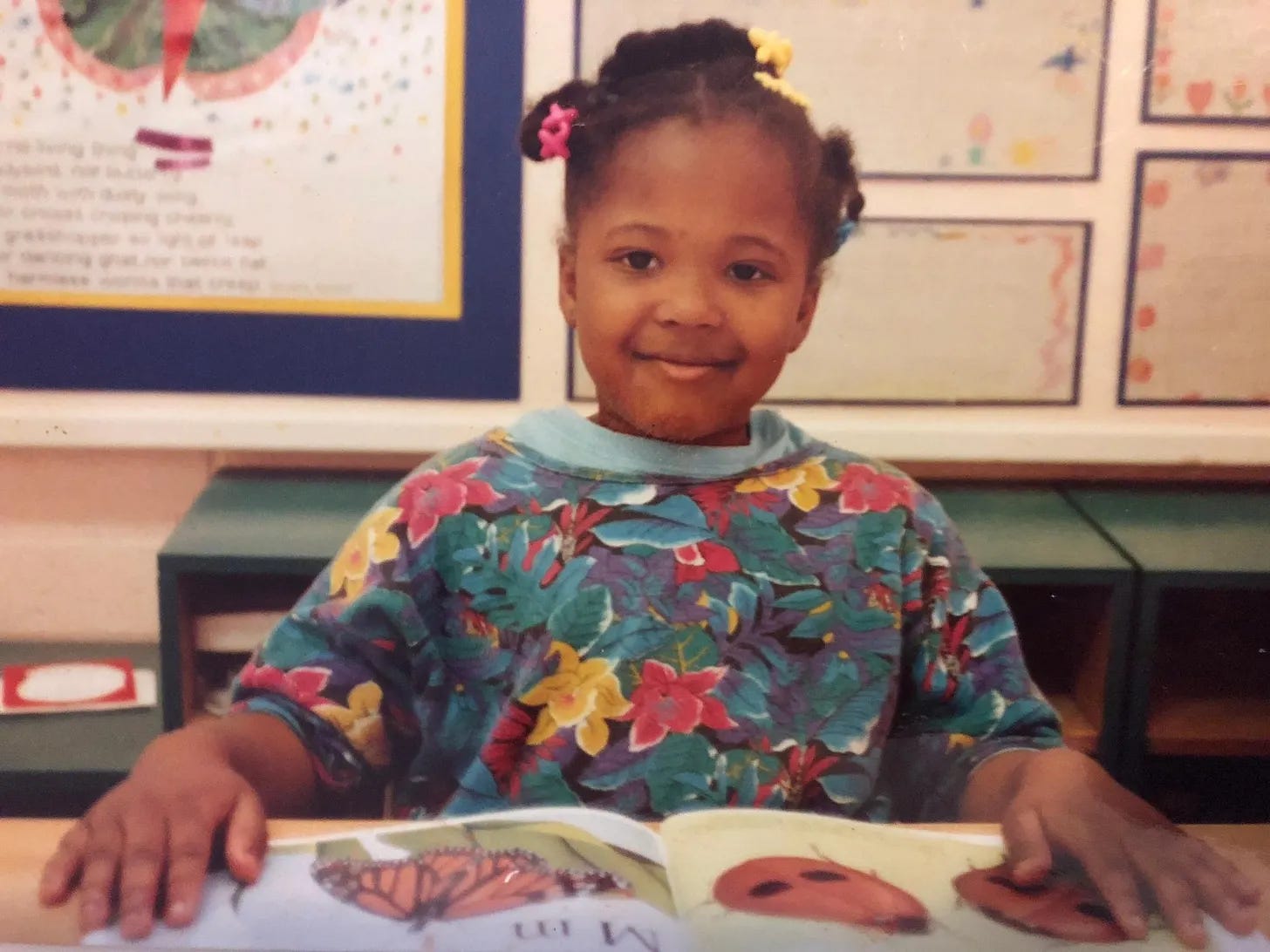
⚫ I read in a terribly inefficient way.⚫ Instead of trying to “optimize my reading practice,” I decided to lean into a lurking curiosity: What could a slow, recursive, and temporally inconsistent reading practice?⚫ And by ‘could do,’ I am thinking of treating disruption not as something to overcome, but as a sort of generative discontinuity.I won’t call this an ADHD hack, mostly because even while I have used the “hacking” language, I still do not know how I feel about it. What I will offer is another poetics of reading. Being a late-diagnosed person means I was unconsciously creating my own accommodations to complete the tasks that others may not find difficult. Before leaving London, I purchased a copy of Lispector’s Agua Viva. I intended to reread it while in Casablanca, but knew myself well enough to know that I could not just reread it cover to cover. I needed a mode of defamiliarization; I needed to feel that I was encountering not something new, but something that had unexplored edges. Defamiliarization is an artistic and literary technique that (re)presents common, everyday things in a strange or unfamiliar way. It was coined as “ostranenie” by Russian theorist Viktor Shklovsky in 1917 as a method for breaking our routines to be able to see, again, otherwise.
Or, as Leonard Diepeveen writes in the 2018 introduction of Gertrude Stein’s Tender Buttons, defamiliarization is “an unseating of logic.” This begs the question:
⚫ What happens if I abandon neural shortcuts? (Is this even possible?) What would happen if I intentionally took the long and more scenic road to “______________ [fill in the blank, maybe 'understanding'”?Several years ago, long before the word defamiliarization ever left my mouth, I’d written a note to myself about boredom and exhaustion. I wanted to see the world anew and grew irritated by what felt like a numbing repetition.
⚫ I wrote, “Is there a way to forget what you know about an object, place, or text just long enough to experience it as a new encounter?”Only now am I realizing that my interest in potential literature and writing constraints was a deep yearning to break out of routine. I want to look at the same thing every day, but see something new. Just a few degrees beyond the circumference of what had already grown mundane, something else was there, lurking, promising to unpend me if I just chose to linger longer, and differently. While the word defamiliarization was coined in 1917, this devotion to seeking the strange and peripheral in the mundane long preceded its codification as an artistic technique. Codification is an indicator of authoritative circulation, not existence. We can do a thing, we can seek a thing, without being able to name it, and from that impossibility of naming, we are reminded of a winding, occluded lineage to “unseat logic,” disorient, and unsettle calcified perceptual habits. I am on the search for that lineage now. As manuel arturo abreu writes in Adversarial poetics (draft / notes) regarding “persistent” technologies:
I argue we must see adversarial poetics not as a novelty of silicon automation discourse but as a historically persistent technique for resisting, encrypting, and revealing systems of interpretation.
⚫ I am interested in how an intentionally inefficient and aerated reading practice creates the holes we need in our reading methods.a. Inefficient: it does not make completion and comprehension the only possible destination.
b. Aerated: creates an inconsistent weave of entanglement with the text — may this be temporal, spatial, or material (taking a ten-minute break between each sentence to draw an image, vascillating between reading the text on a large screen and on a small physical page, or reading one sentence from one book, then switching to another book - repeat).
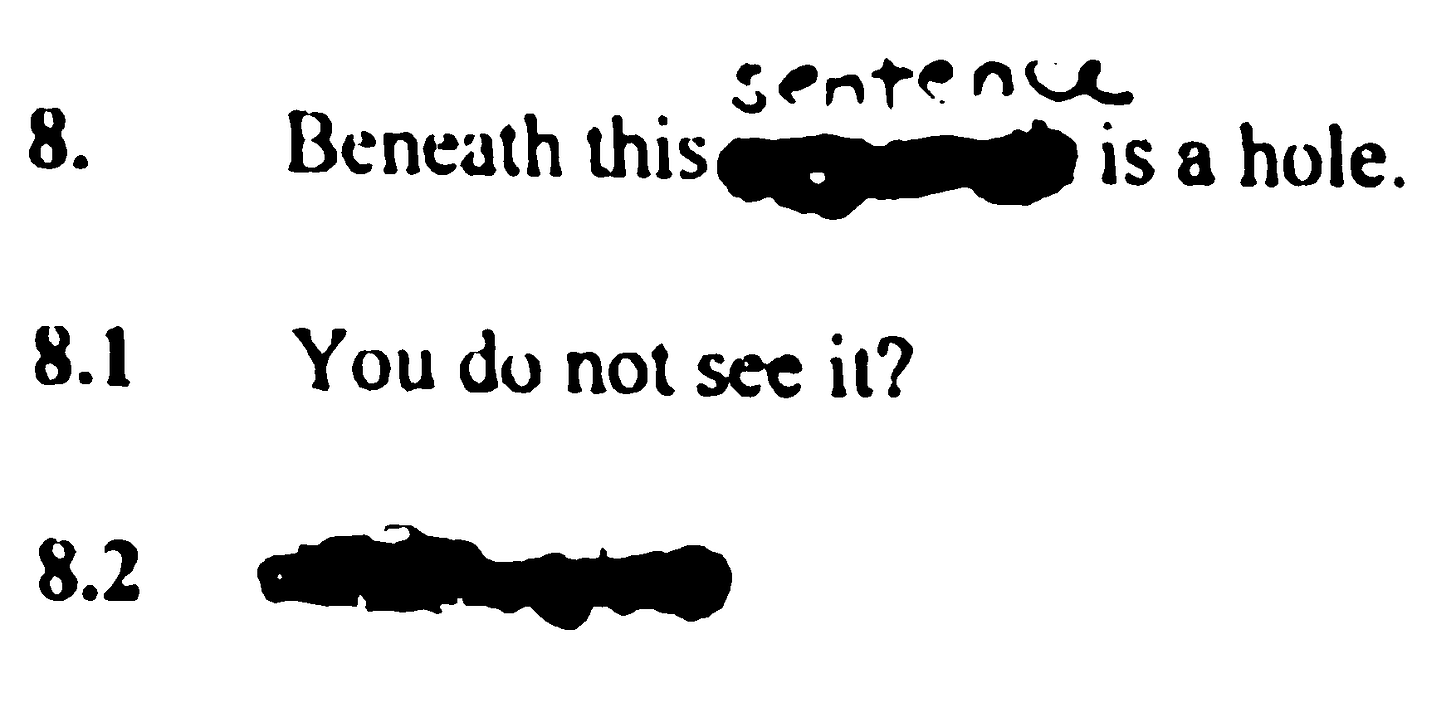
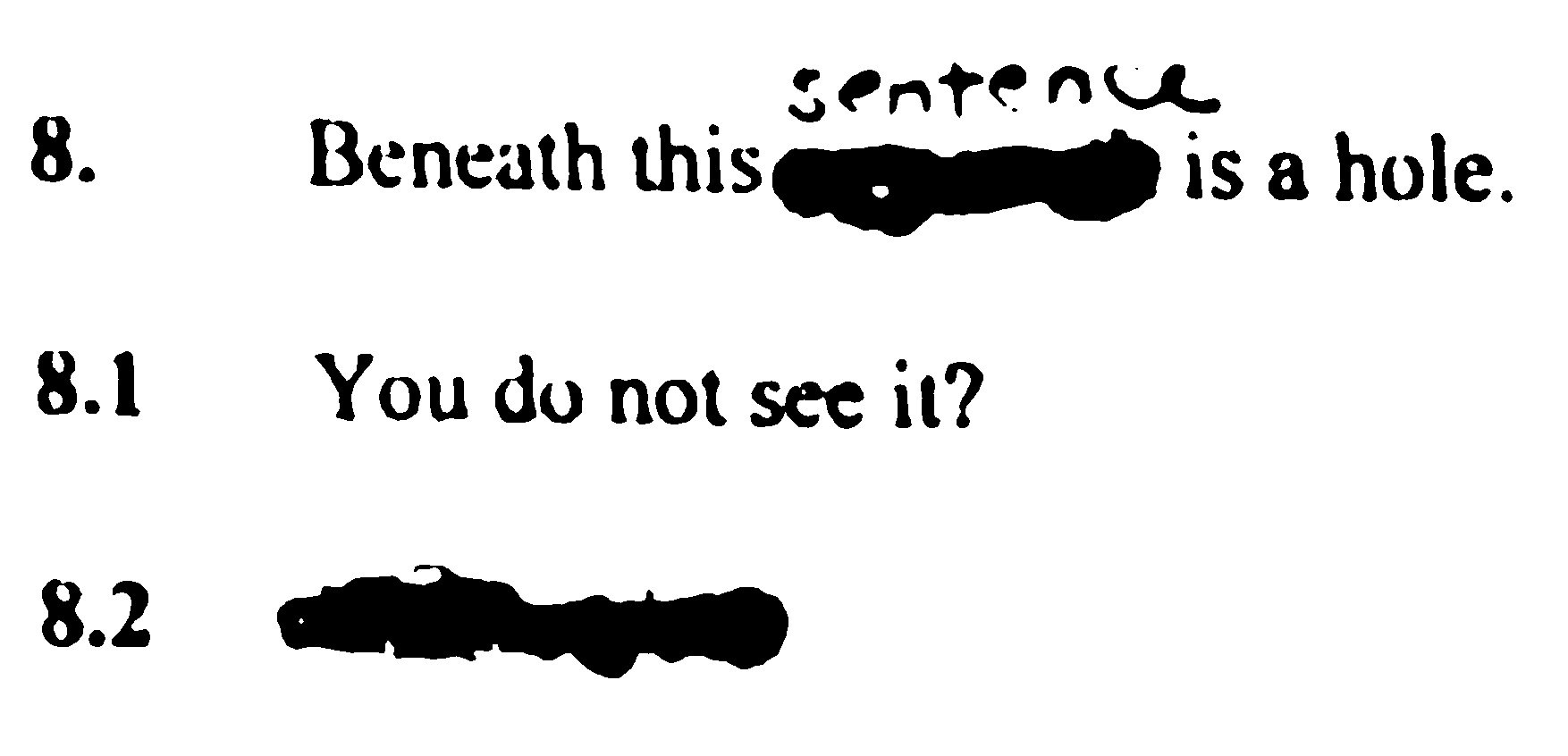
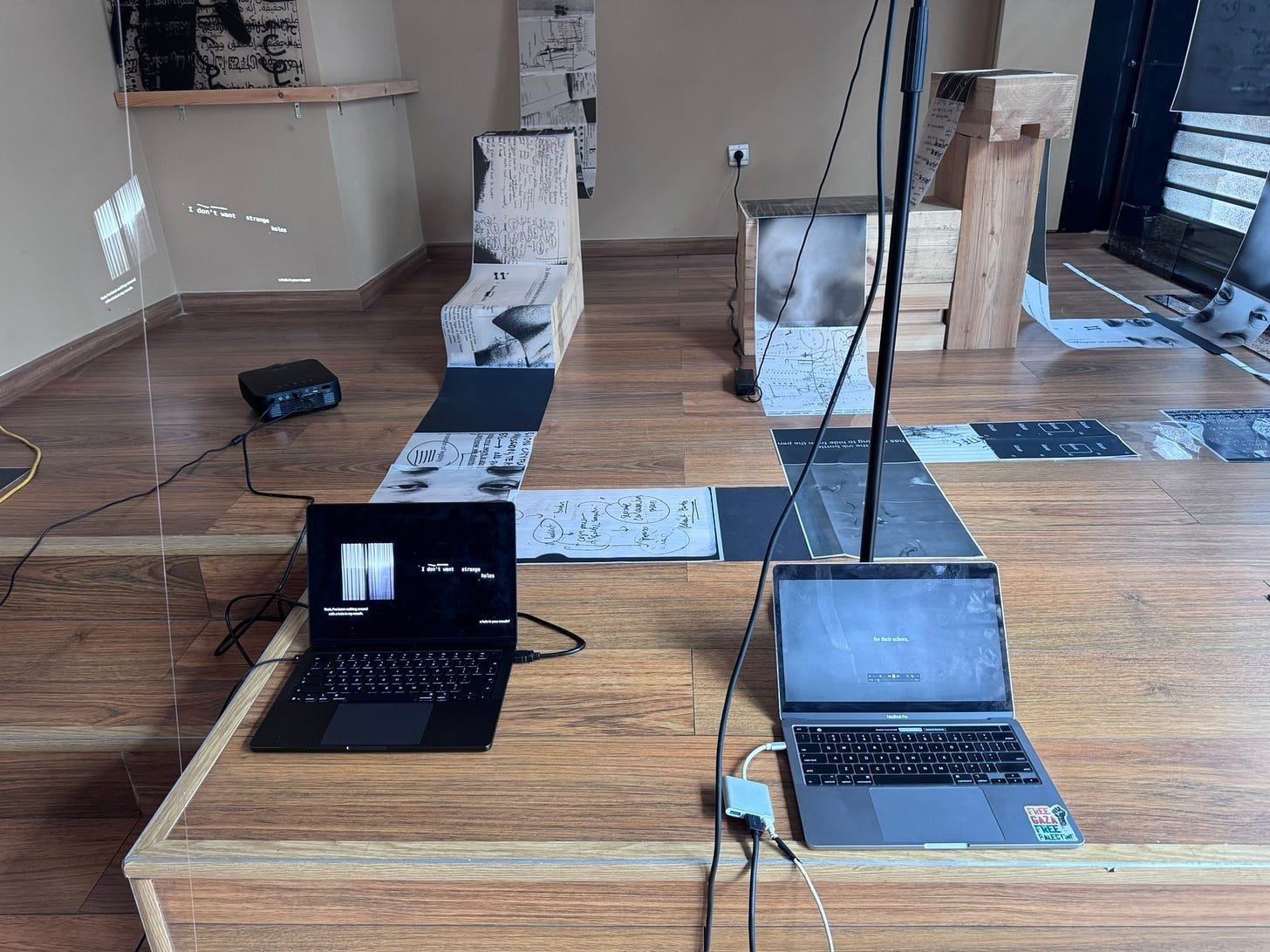
⚫ What, then, does Pope. L mean when he says "Beneath this sentence is a hole?"⚫ And then, what would it mean to read as if each sentence had a hole beneath it?Before I continue, I want to share a few things I wrote in Casablanca in response to Pope. L and larger questions about holes:
A hole is an opening: aperture, perforation, breach, fissure, cavity, void, tunnel, conduit, mouth, passage, pore, pit, rupture, break, gap. A hole – the opening – is a start to an event.
The hole is relational. As Robert Casati writes in Holes and Other Superficialities (1994), “Holes link their host to the environment counterfactually: they give rise to a series of relational ties between the object and what possibly surrounds it [...] They are dependent particulars: they cannot exist alone; they need a host at the surface of which they find a place to be.” A hole is a hole not because it is a hole, but because of its relationship to that which surrounds it, a surface. Again, the hole is relational.
We perceive the hole obliquely. Casati writes, “it is by perceiving a discontinuity in the surface of the wall that you seem to perceive the hole.” What we perceive when we “see” a hole is not so much a thing as it is an event: a rupture in expected continuity, a material resistance to smooth transition, a refusal to go along as programmed. The hole is not a mute absence: the hole lures, the hole insists, the hole imposes, the hole announces. The hole interrupts and demands attention. This insistence, this announcement is what Pope. L describes in Hole Theory (2002): “I mean holes are occasions - / Opportunities which can take / Many forms, materials, and durations (imagine a hole that is only duration).”
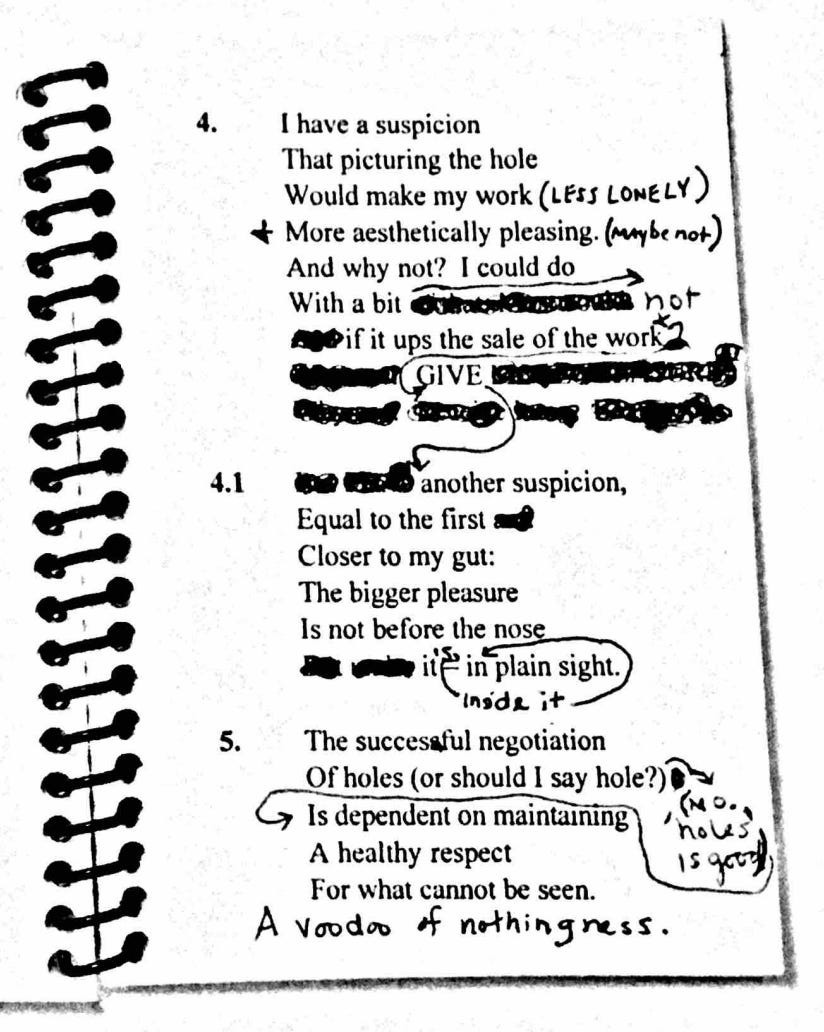
Again, a hole – the opening – is a start to an event. A hole is an opportunity to slow down, to return to the scene of presumed completion or certainty: a readerly invitation for interaction, investigation, and intimacy. This is an opportunity for defamiliarization. A mouth is a hole, and the hole has a mouth that says, “linger here for a moment.” This readerly invitation for interaction, investigation, and intimacy comes in many forms. This is an invitation to inhabit the hole. Pope. L reminds us: I don’t picture the hole. (I inhabit it).
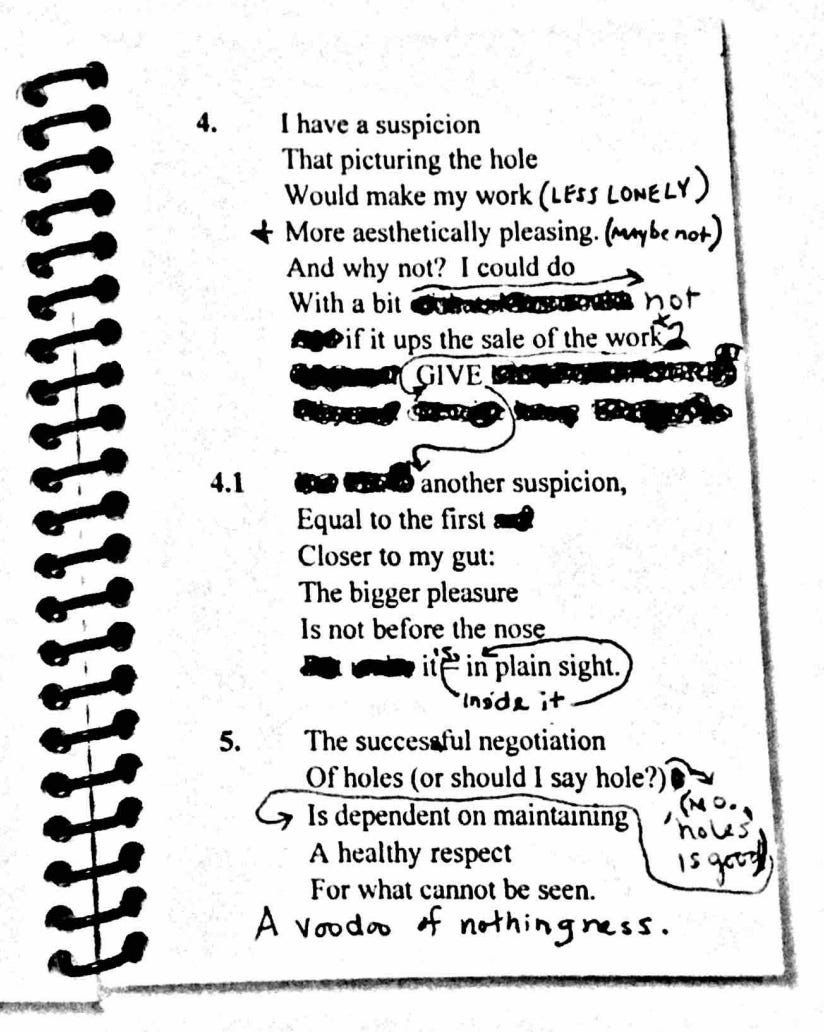
To inhabit the hole may mean to be present, to dwell, to be under the spell of that moment — but not to repair or seal the hole. The hole cannot be compromised by efficiency of discomfort. To inhabit the hold might be a trance state – to be held firmly by a discontinuity, to gain intimacy with the rupture and discontinuity. And in this intimacy, we become entangled with the subterranean tunnels of other meanings, associations, and implications. I think about Fred Moten who writes in One Long Black Sentence with Renee Gladman:

I’ve been thinking about inhabiting the hole quite literally. Like, how do I really get inside?
Over the last year, I explored CAConrad’s somatic poetry exercises. After a family gathering in 2005, CAConrad realized that they had shaped a poetry practice that mirrored the factory logics they witnessed their family endure at casket factories in rural Pennsylvania. CAConrad needed a method, an otherwise system to engage in poetry. As they write, “That morning I started what I now call (Soma)tics, ritualized structures where being anything but present was next to impossible. These rituals create what I refer to as an ‘extreme present’ where the many facets of what is around me wherever I am can come together through a sharper lens.” Reading more about these exercises, they felt like the scores I’d written before - these OuLiPo-adjacent writing prompts that invited a deviation in form and process.
Some reading scores I have written in the last few days:Gather a group to read a single paragraph aloud.After the sentence is read, write each word on a separate sheet of paper. Rearrange these words for no less that 20 minutes.
Find a poem you’ve read before. Print it out.Begin walking with the poem in your pocket. Read the poem aloud as you walk down the street, however, you can only read the next line if you see something yellow. There must be a witness. Keep walking until you’ve finished reading the poem aloud twice.
Count the number of sentences in your favorite essay.Divide this number of sentences across the 31 days in the month of August. Each day, read and then rewrite that day’s sentence by hand. Hand-deliver your daily sentence to a friend.
⚫ Maybe what I am describing is not reading, but something else entirely. I do not know, but I am invested in exploring what else there is in reading other than a solitary, stationary, and sustained process.
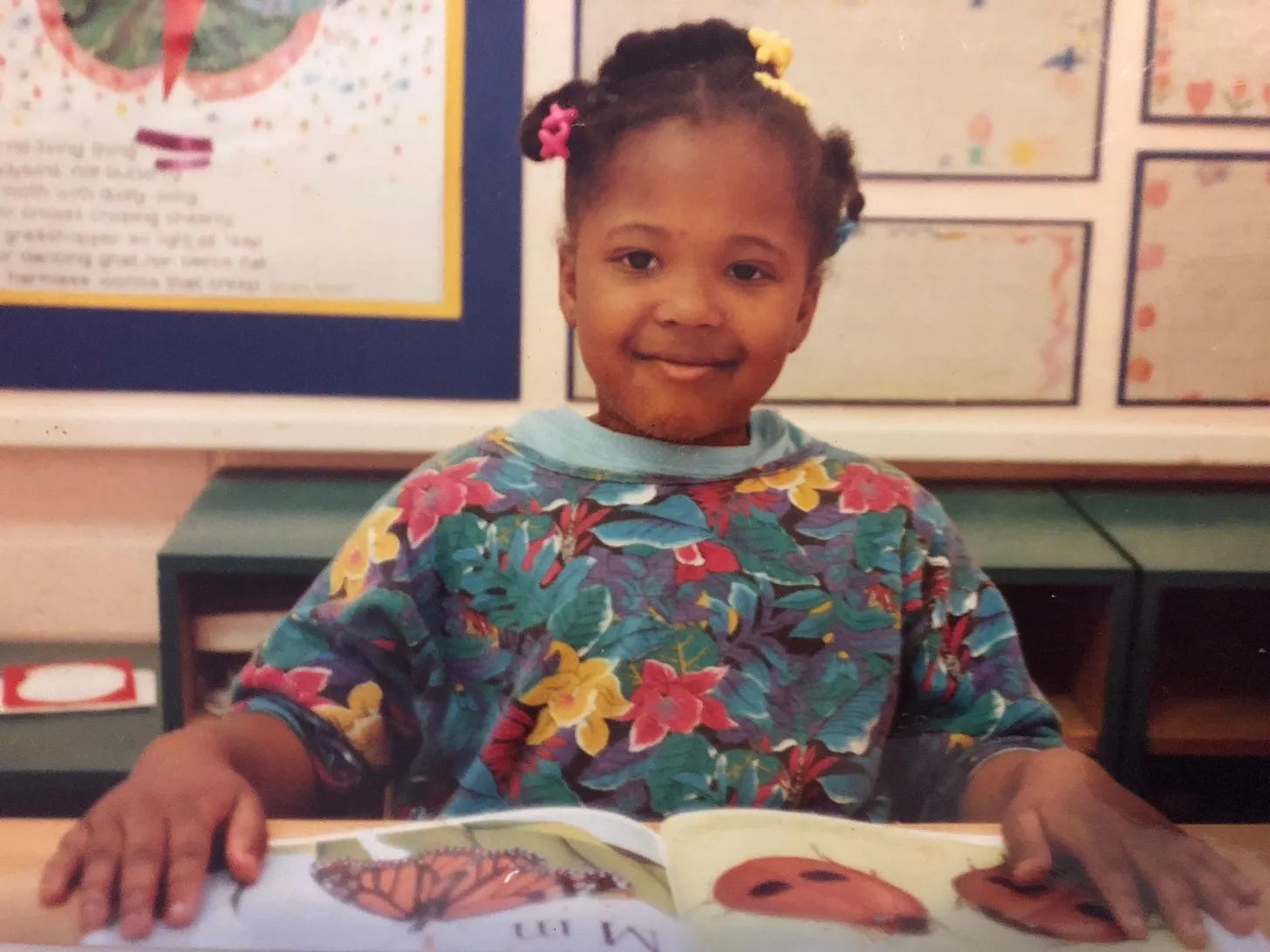

The neurodivergent babes are known for not transitioning from task to task or stage to stage without exceptional resistance and friction. I never had the language to explain it, but now I understand it as a singular cognitive focus whereby switching gears simply requires too much energy. Each summer is hard for me. I have to transition from a looser schedule, where I have greater control over who I interact with, to a more structured environment that requires a different kind of energy. Two years ago, I wrote about atmospheric reentry. I don’t think I ever published it, but it was something like:
Atmospheric reentry is the process by which something outside a planet’s atmosphere enters it. New York City is its own planet with its own thick atmosphere and sense of gravity. During a controlled [re]entry, great care is taken to enter the atmosphere at an optimal angle, aimed at low (human) population spots like oceans or seas. In what hopefully does not become too extended a metaphor, my return to Brooklyn felt like an uncontrolled [re]entry. I did not predetermine the ideal angle to prevent the friction that would break me into bits. The most I did was get to the airport on time with overweight bags and arrange a ride home. I needed more, like a strategy to handle the shift in sensory stimuli or a way to readjust to the density of people.

And two years later, it is the same. Except on this round, there is a lot of buffer space, a softened teaching schedule, and some actual joyful non-work experiences pre-programmed.
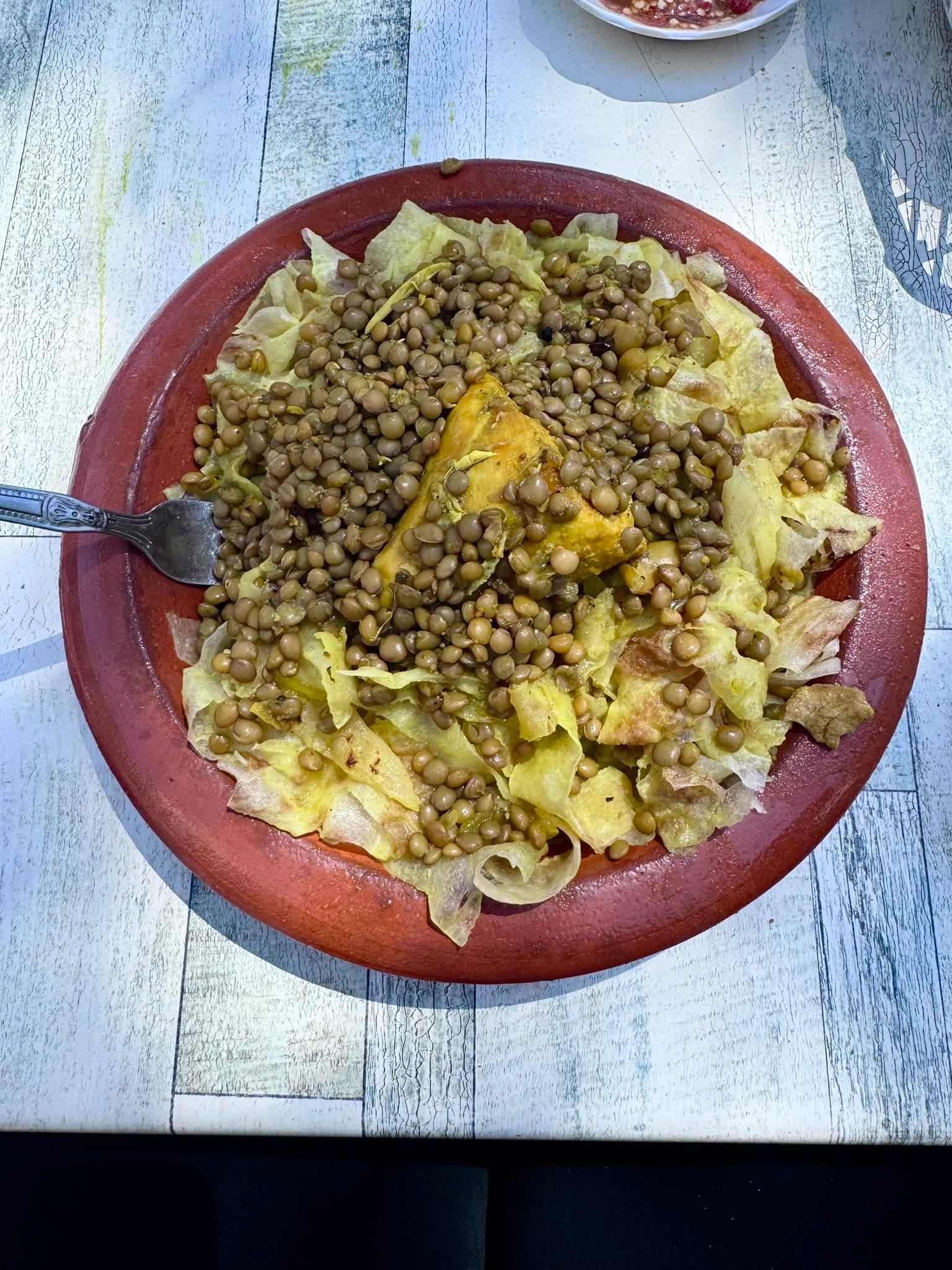
I do not know how to write about Casablanca. It is larger than any newsletter I could write, but this city feels very special to me, and I met such lovely people. I am already making plans for a return. I have only had this feeling once before: when I visited Johannesburg in 2006. I vowed to return, like I vowed to return to Casablanca. Our workshop on adversarial publishing was spectacular. The workshop participants were so sharp and insightful. Some things I thought a lot about in Casablanca through facilitating and roaming the city:
▪️ Translation: This language is both guttural and fast. In my language acquisition journey (lol!), I learned that I can do guttural or fast, but I certainly cannot do both simultaneously. But I am going to practice. With that being said, I am thinking a lot about the labor of translation. During our workshops, my participants translated for one another, and I felt weird about the labor balance. Everyone was graceful, helpful, and eager, but I am thinking a lot about what it means to facilitate in a way where translation is not a service provided, but an integral part of how we organize thinking in different directions. There were moments where Darija explanations felt more nuanced than they sounded in English. I am curious about the task of translation and excess. Like, what is it called when the non-English translation of your words feels more capacious and illuminated in another language? If anything, it is reminding me that what I do in my visual art work – a field of various Englishes, Qur’anic Arabic, and gesture – is something I should carry into my writing practice. That I can write an essay, much like I wrote No New Theories (2019), whereby many languages are woven together. What has felt natural to me – weaving, collaging, collapsing many forms into a “singular” work – has been disciplined out of me. I want to be more undisciplined again.
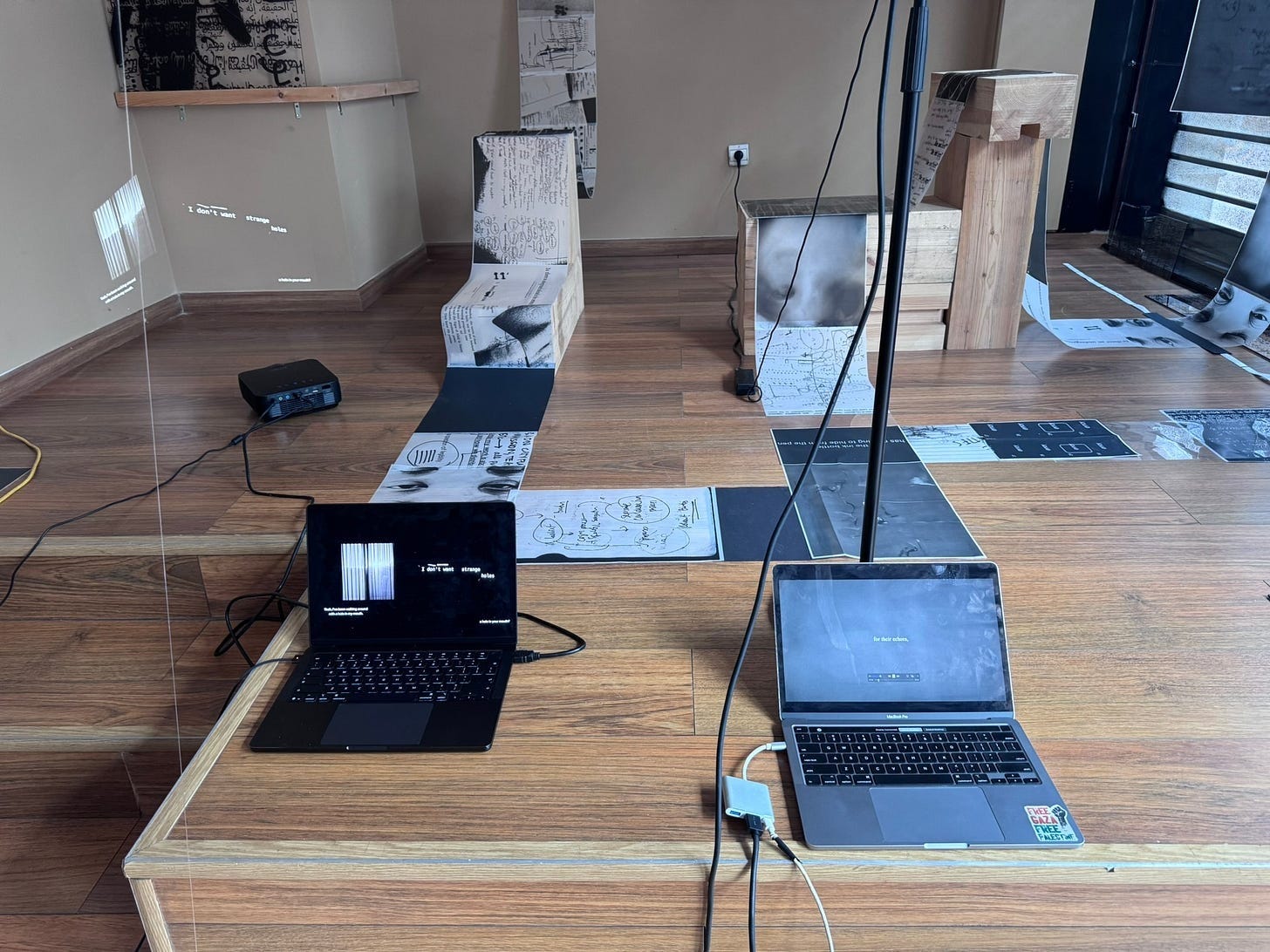
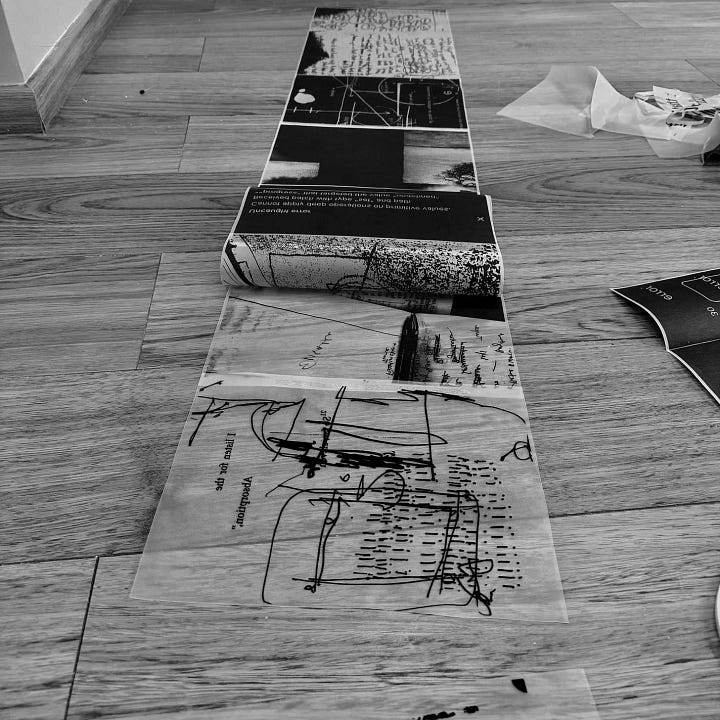
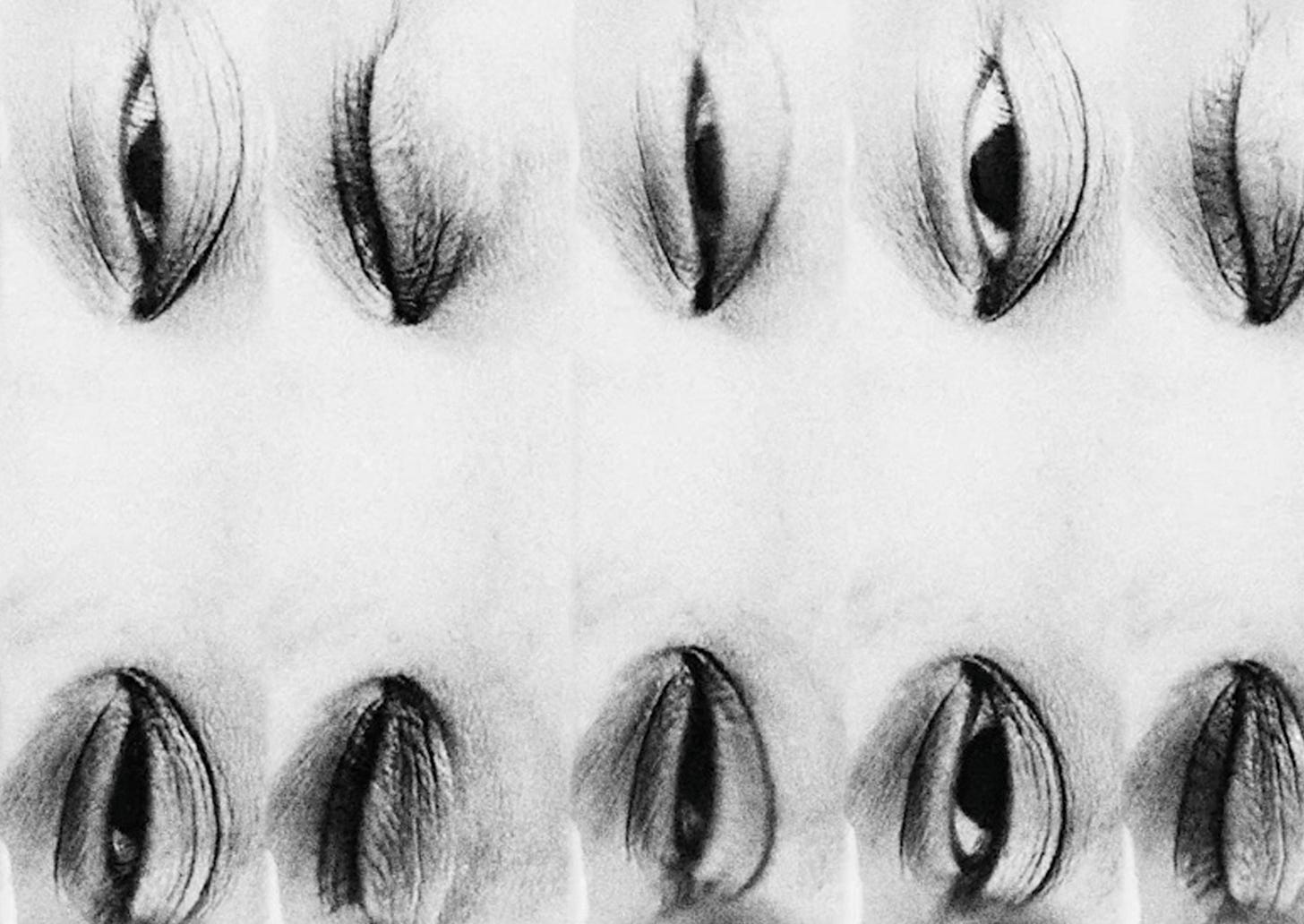
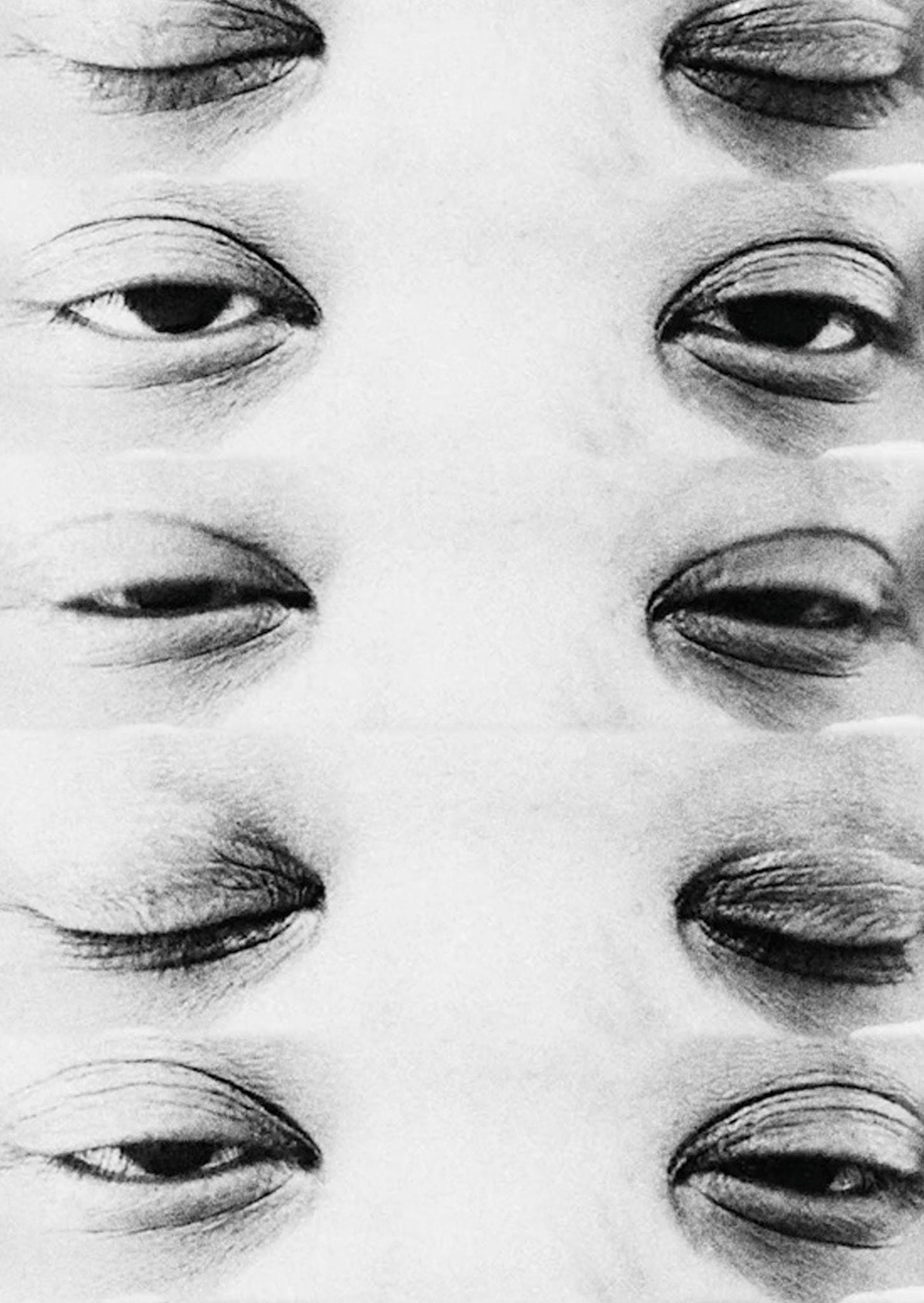
I am obsessed with the rotation of this still from my latest video work. An eye becomes something else:
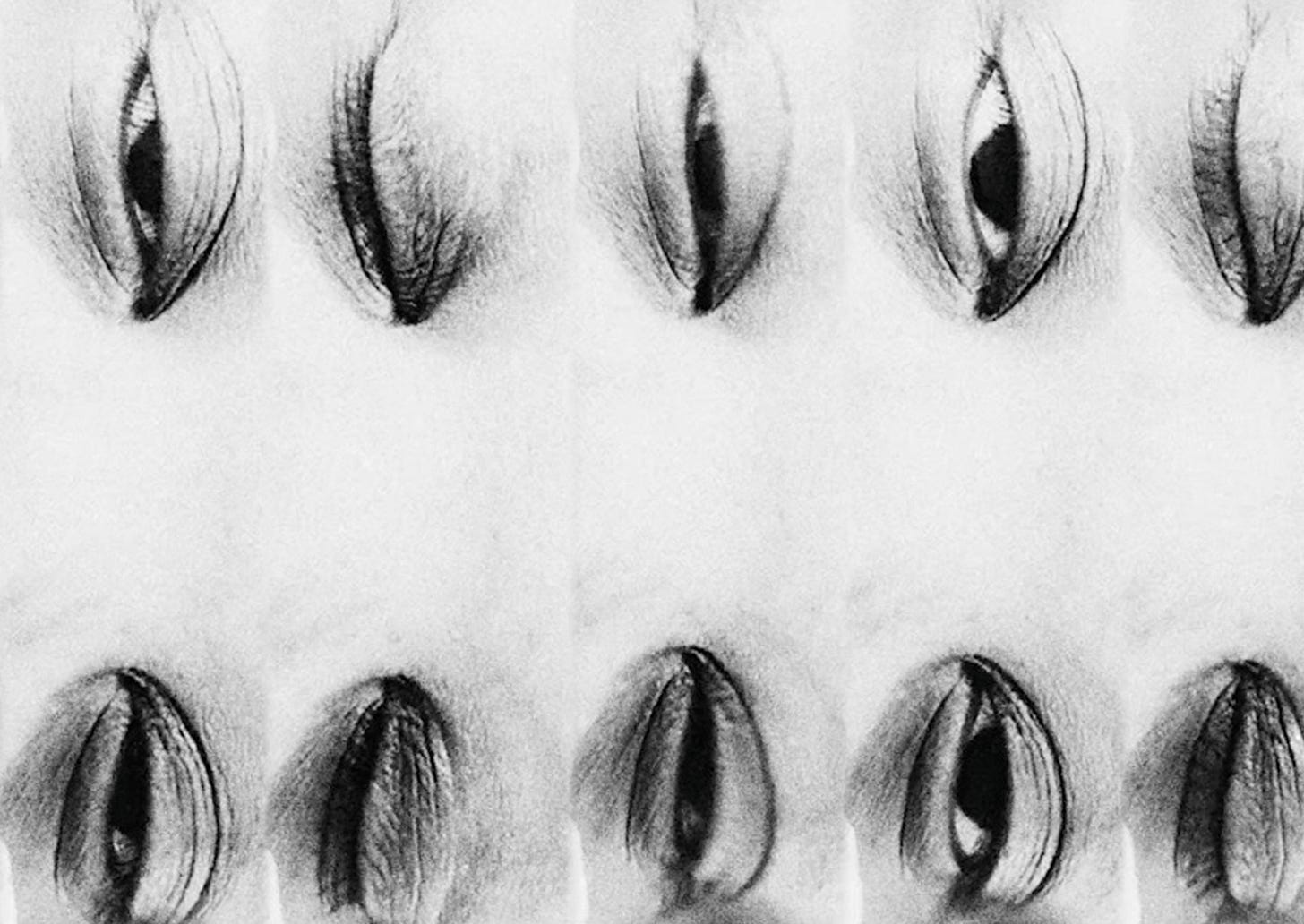
vs.
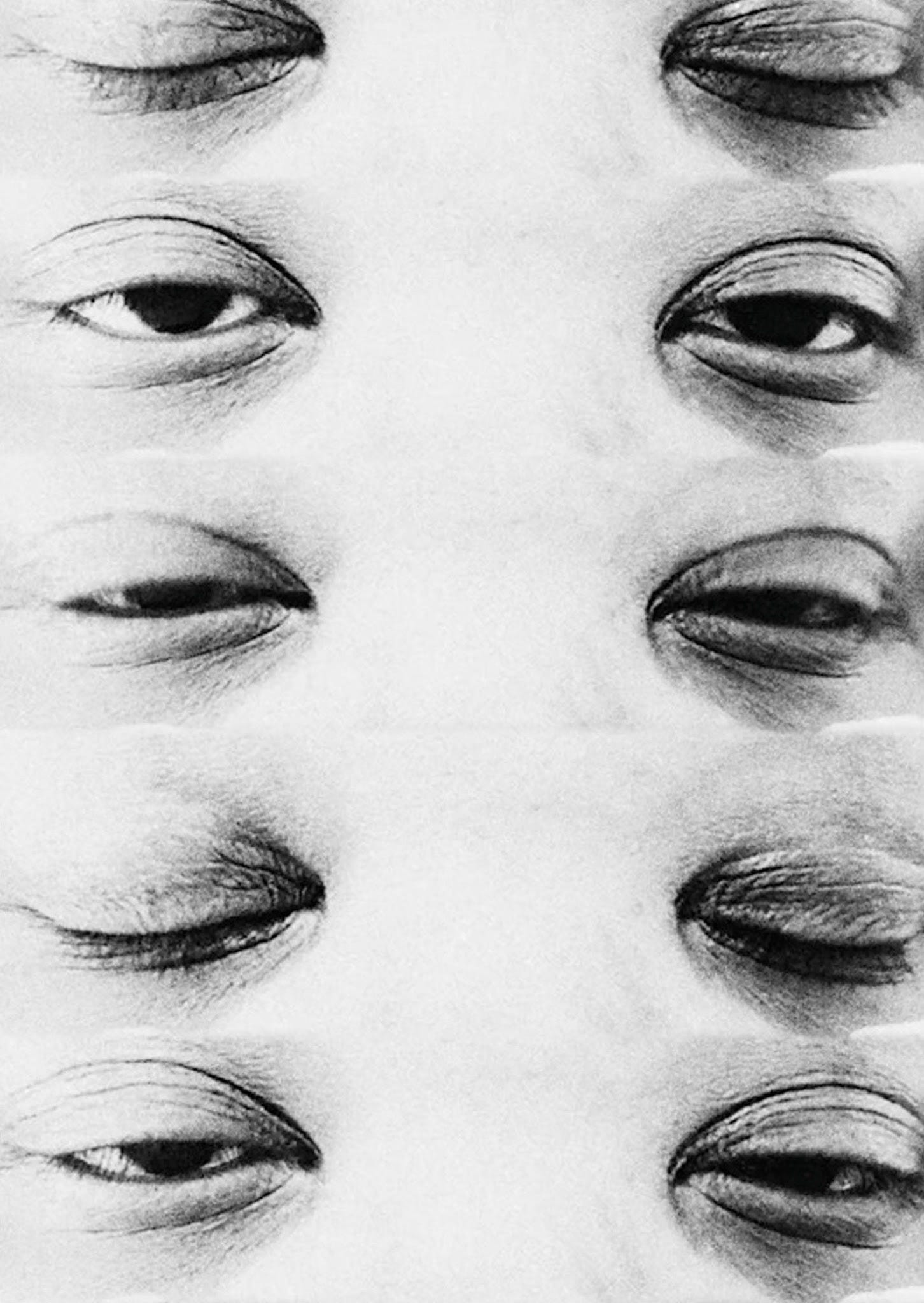
▪️ Water: Casablanca sits on the Atlantic Ocean. While I cannot swim, I love the water. I like the smell of the ocean. During a lunch conversation near the ocean, we happened upon a discussion of the Atlantic and Indian oceans as cemeteries for so many who did not “survive” the journey, either thrown overboard or throwing themselves overboard in protest. I do not quite know how to reconcile this. One of my favorite Lupe Fiasco songs is WAV Files.


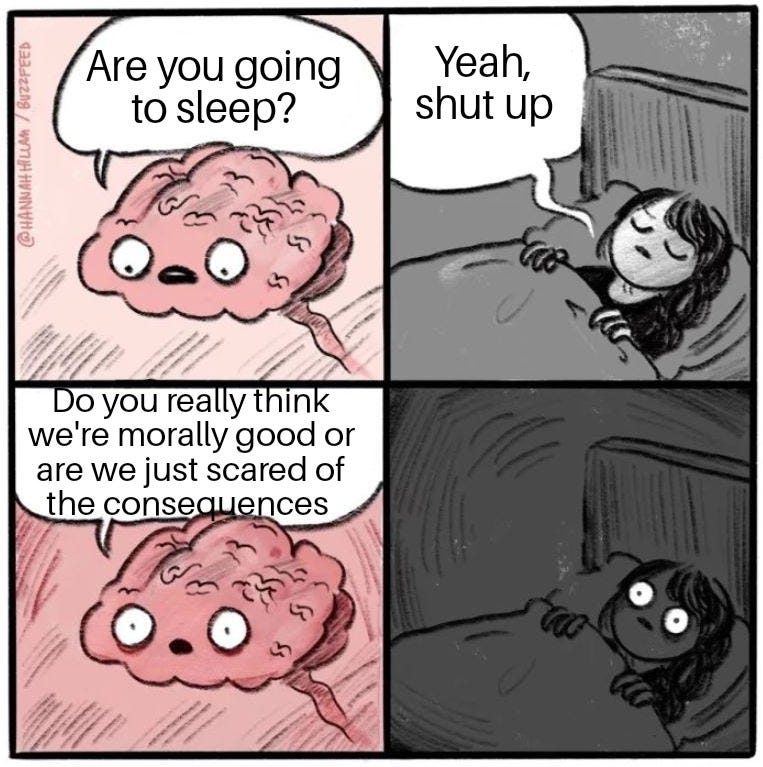
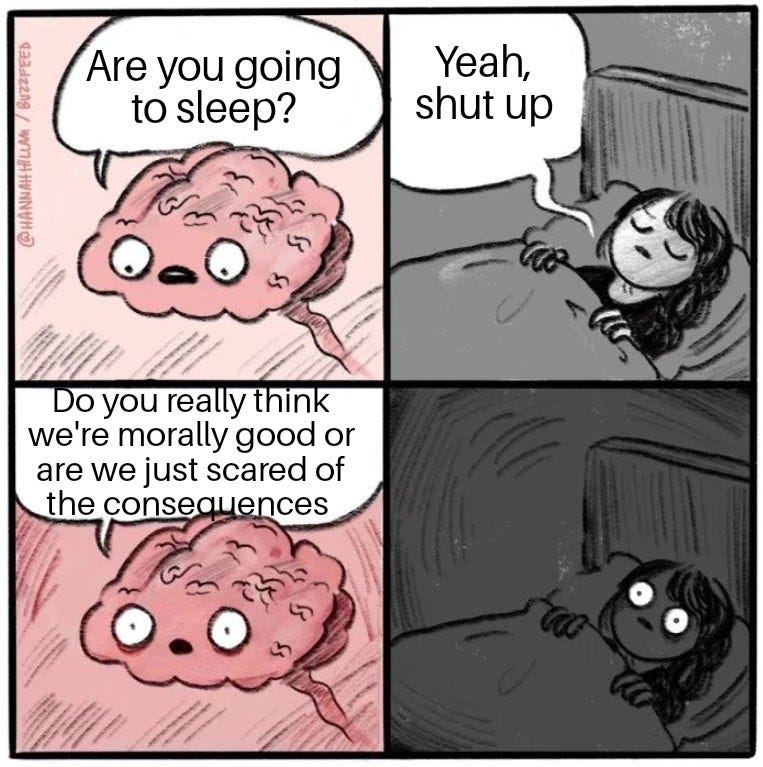
Do ants experience anxiety? I ask because while in Casablanca, I found an ant lurking around my medicine box. After turning this question over in my head for about 30 minutes, I considered what might have happened if the ant had indeed carried traces of anti-anxiety medication back to the colony. Then, I stopped. Having OCD is no fun because your brain can create scenarios that are so statistically unlikely that they almost seem impossible. It is what makes some of us excellent storytellers, pattern recognizers, and latent signal processors, but on the flipside, it is also what makes us a menace to ourselves and sometimes to those around us who experience the reassurance cycle with us. Eight years later, with more knowledge and a lot of upkeep, I can unfurl my own OCD spirals. No ants brought traces of fluoxetine to the colony. And no, I did not engineer an evolutionary process in which a new species of SSRI-addicted ants overthrew the delicate insect ecosystem in Casablanca.
On my way out of Casablanca, we visited the Hassan II mosque. There are many things I can say about visiting mega-religious sites, but I was more than anything quickly reminded of my first bout with religious scrupulosity. I would repeat my wudhu (ritual washing before prayer) a lot just to make sure I did not miss anything because had I missed a step, then my prayers would not be accepted, and if my prayers were not accepted then that meant that I was harming the people for whom I was prayer because Allah would not be able to hear the prayers of those who washed their hands only twice instead of three. I was fifteen. And this anxiety still haunts me such that prayer is still hard for me because (among other reasons), it requires a ritual that reinforces notions of purity. Every Ramadan, I get a little nervous because the people I call the hasanat police come out. These are the people who post, send emails, etc., about doing a certain task to earn more hasanat. What this did was turn worship into a points accumulation game, and I wanted to be a winner.
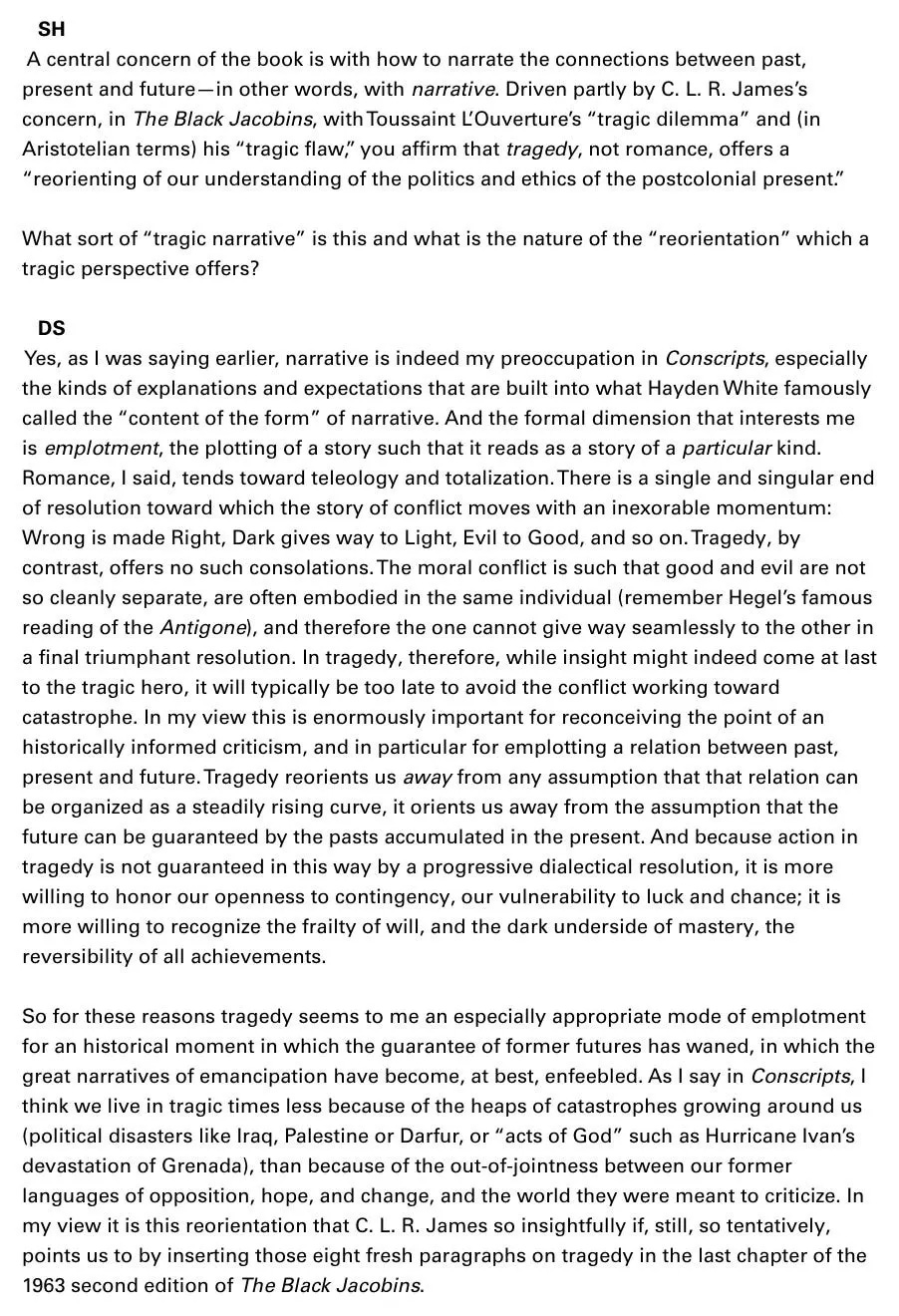
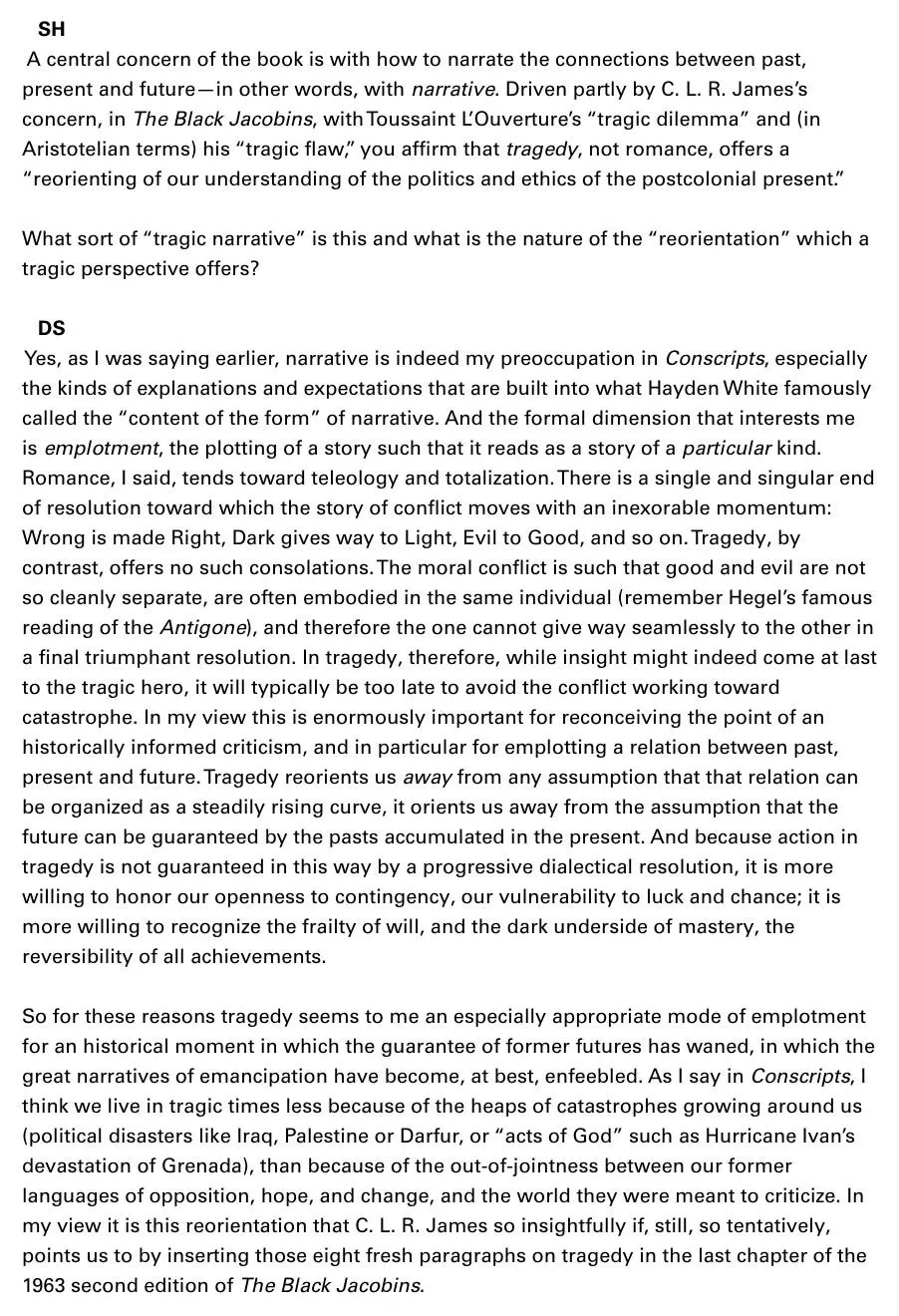
For a bit of levity, there is also a (now retroactively funny) story from 2018 about a banana peel, invasive species, and the collapse of the African agricultural industry. Maybe I will save that story for the memoir I’ve been told to write, which, at this point, is just a series of weird tragedies punctuated by slightly less weird, but maybe joyful, events, sitting atop a litany of intrusive thoughts. It is a memoir without structural integrity because nothing has happened in my life, but because the idea of memoir suggests a legible thread or narrative arc. At 41, I could not tell you what the thread of my life is. If I were to ever write something adjacent to a memoir, it would be a long list like the ones I share every week, because they do not demand (as much of) a telos. More than anything, they demand vulnerability. I can be vulnerable, but narrative makes me itch. I am interested in our commitment to particular plot structures and narrative styles. One of my favorite BOMB interviews is one between Stuart Hall and David C. Scott. It is from 2005 and gets at some of these curiosities.
OCD is like an overactive child in your head who has not learned about probability, plausibility, and basic physics, and as such, no occurrence is possible. I joke, but OCD isn’t fun. It is a disability. It robs you of the possibility of being fully present. It can make you doubt your own memory. It makes you feel guilty a lot. However, I refuse to pathologize myself, and my main prayer going into this new sun rotation was to reorient my language, and maybe that becomes a runway to recalibrate my self-perception.
⚫ The very thing that allows us to catastrophize so quickly and thoroughly can also allow us to dream wildly and expansively enough to nurture improbable, but necessary, futures.
I have always been fascinated by perception. There is something called imaginary colors. As this site explains, “Imaginary colors are non-physical points in a color space that represent theoretical light mixtures. In models like CIE 1931, the primaries X, Y, and Z are chosen so that all visible colors can be described using only positive numbers. These points lie outside the region of humanly possible chromaticities defined by the horseshoe-shaped spectral locus. Designers and engineers use them to create a universal language for color regardless of specific hardware limitations. They are essentially the mathematical scaffolding of our digital visual reality.” I threw myself down the rabbit hole and learned a few other things, one of which I will share here:

Y’all, there is something called chimerical colors. A chimerical color “is an imaginary color that can be seen temporarily by looking steadily at a strong color until some of the cone cells become fatigued, temporarily changing their color sensitivities, and then looking at a markedly different color [...] For example, staring at a saturated primary-color field and then looking at a white object results in an opposing shift in hue, causing an afterimage of the complementary color.”
Also, check out Matt Snowden’s essay on these fun colors. And this led me down another rabbit hole:
A workshop participant mentioned anamorphosis, or “a distorted projection that requires the viewer to occupy a specific vantage point, use special devices, or both to view a recognizable image.” Between chimerical colors and anamorphosis, I remain curious about the politics of attention. What do extrasensory methods and expanded sensory experiences tell us about the variations in reality we experience?
I Googled “tasting, feeling, or hearing corollary to expanded sight, like chimerical colors,” and it seems the “best” corollaries may be synesthesia. Among all the different kinds, I am most interested in the taste synesthesia: “Lexical-gustatory synesthesia is a rare neurological condition in which speaking, reading, hearing, or thinking about words automatically triggers specific, consistent phantom tastes or textures in the mouth.” And two auditory examples: the Deutsch’s scale illusion and the McGurk effect.
I received a text from a new friend, and I want to share the exchange because I love numbers, and I love when others have special relationships with numbers!
K: I forgot you were a leo!! I had been meaning to wish you a belated bday for some time and you popped into my head
K: 41 is a beautiful prime number
[...]
Me: And I’d forgotten that 41 is a prime numberK: I love prime numbers! though they used to scare me as a child in their lack of cooperation to be divided [...]
Me: Hahahahahhahahaaaa!!! That’s hilarious! I used to love all multiples of 9 because the digits always added up to 9. However, I understand the annoyance with uncooperative numbers — they said you can divide me, but you will break me in ways I do not want to be broken! [...]K: wishing u ease and indivisibilityUntil next week,
Kameelah 👽

How to cite this newsletter: Rasheed, K. (Year, Month Day). Newsletter Title. I Will (?) Figure This All Out Later. URL
