✅ List Dump: 19 July 2026 - pigeons, citrus, compost, bad birthdays, making music
just a list of things I want to share in no order other than the sequence of remembering

Bismillah. We begin everything with the name of Allah. We recite Bismillah to initiate an act, acknowledging the intention and ethics that follow.

Words (not including the ones describing the words I am typing to tell you about the word count):
2,063

Won’t she do it again! Keeping this up for four weeks means a lot to me. I am happy to have found a gentle but fulfilling routine for this newsletter. Welcome back to another list! We made it to four! If I make it to eight, I will restart paid content again, inshaAllah.
Check out the first one, or TL;DR: territorial mice, nipple injury, improv, an expensive orifice, dumplings, games, garden poems, friendship lore, and good times; the second one, TL;DR: spite-based newsletter writing, gil scott-heron and nina simone wish you a happy 4th of july, castle rock, bad dating app AI, bone broth, speech disorders, open-toe sandals, harper’s findings; and third one, TL;DR: cute patio situation in Montpellier, FR, facts about cicadas and acoustic defense, my love of tajin, unpublishing, Pope. L, falling in new york, and my new doggie friend!
I am obsessed with the pigeons here! I was in a conversation with a human when I saw a pigeon, so I stopped the conversation and began talking to the pigeon. Thankfully, she understood exactly who I am and waited for me to finish my interspecies moment. When I become interested (maybe obsessed) in something, I start building an index of facts. Here are a few of my favorite pigeon facts:
The pigeon belongs to the family Columbidae, which also includes doves; pigeons are the larger of the two, but scientifically, there is no difference between the two.
There is a National Pigeon Association.
And an American Pigeon Museum in Oklahoma.
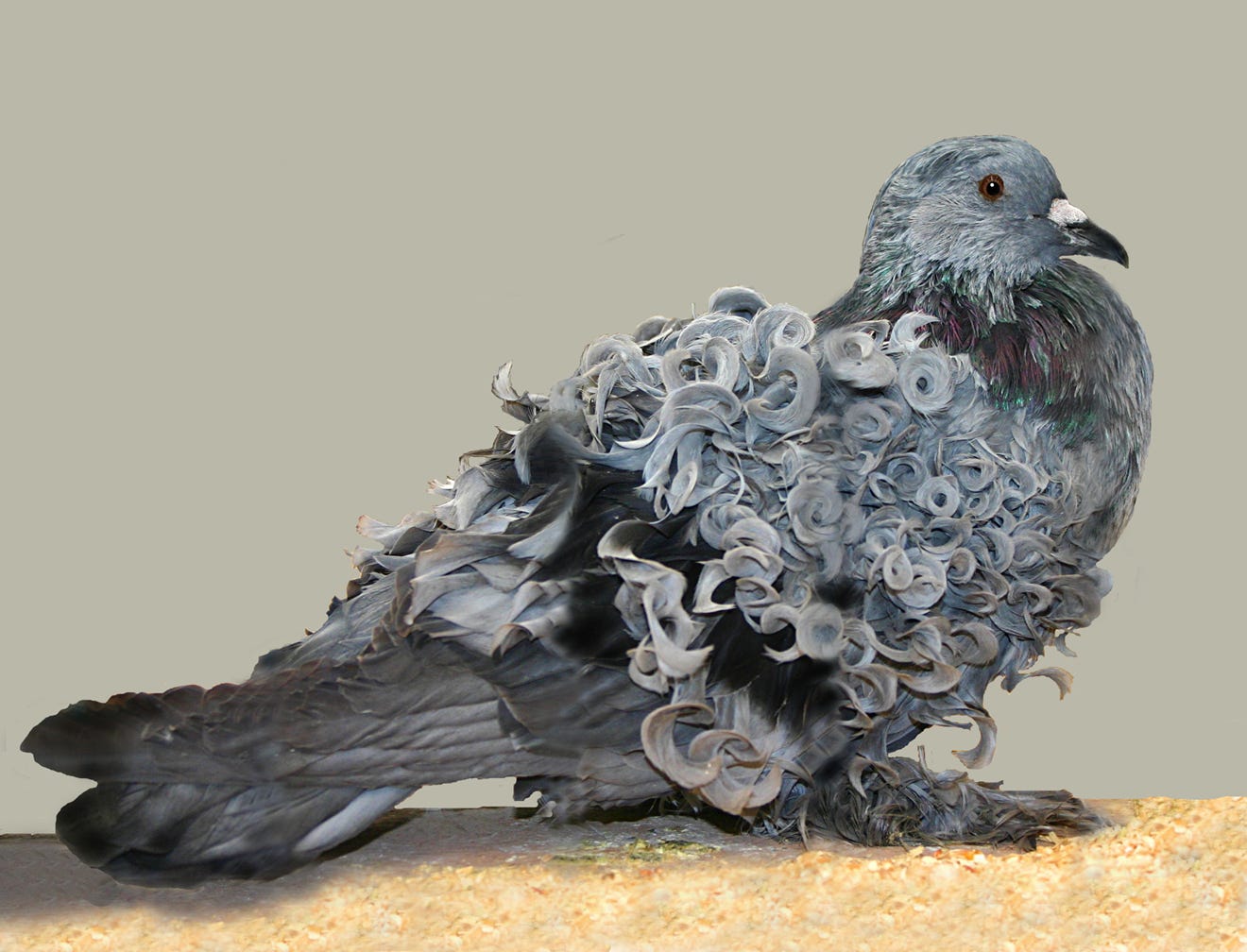
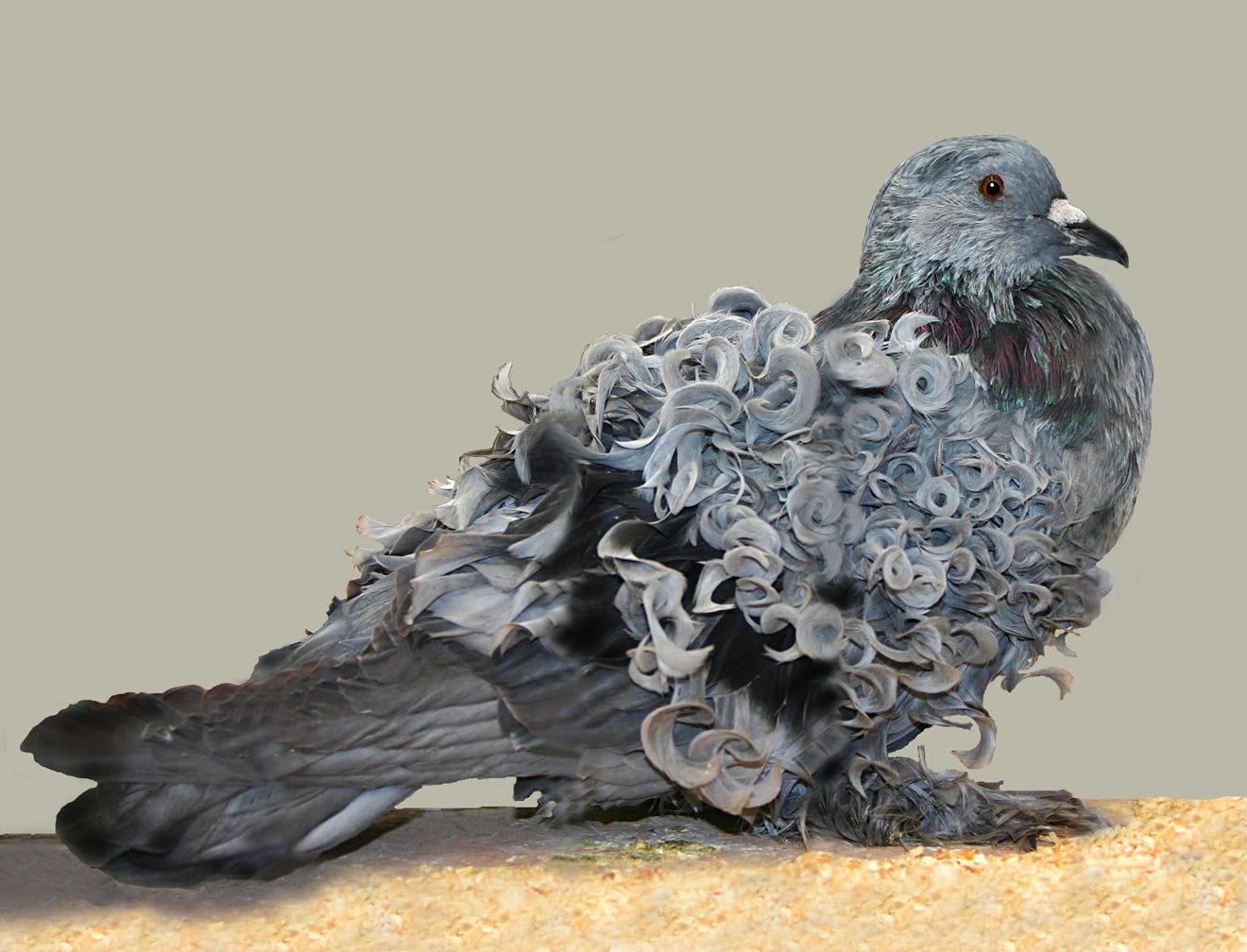
Pigeon fanciers have bred all sorts of distinctive pigeons. Fancy pigeons, they are called, and there are so many different breeds. There are over 800 breeds. Look at the frillback with the curls!
Pigeons can “assess” art. A 2009 experiment by Shigeru Watanabe showed
“that the utterly un-artistic pigeon could be taught to identify ‘good’ and ‘bad’ children’s artwork. How was the pigeon able to perform this feat and why should we care that it did?Pigeons make milk! It is called crop milk, and it is a secretion from the lining of the parent bird’s crop. The crop is a thin-walled, expanding part of the gastrointestinal tract where food is stored before digestion. Flamingos and emperor penguins also produce crop milk. Both male and female pigeons produce crop milk.
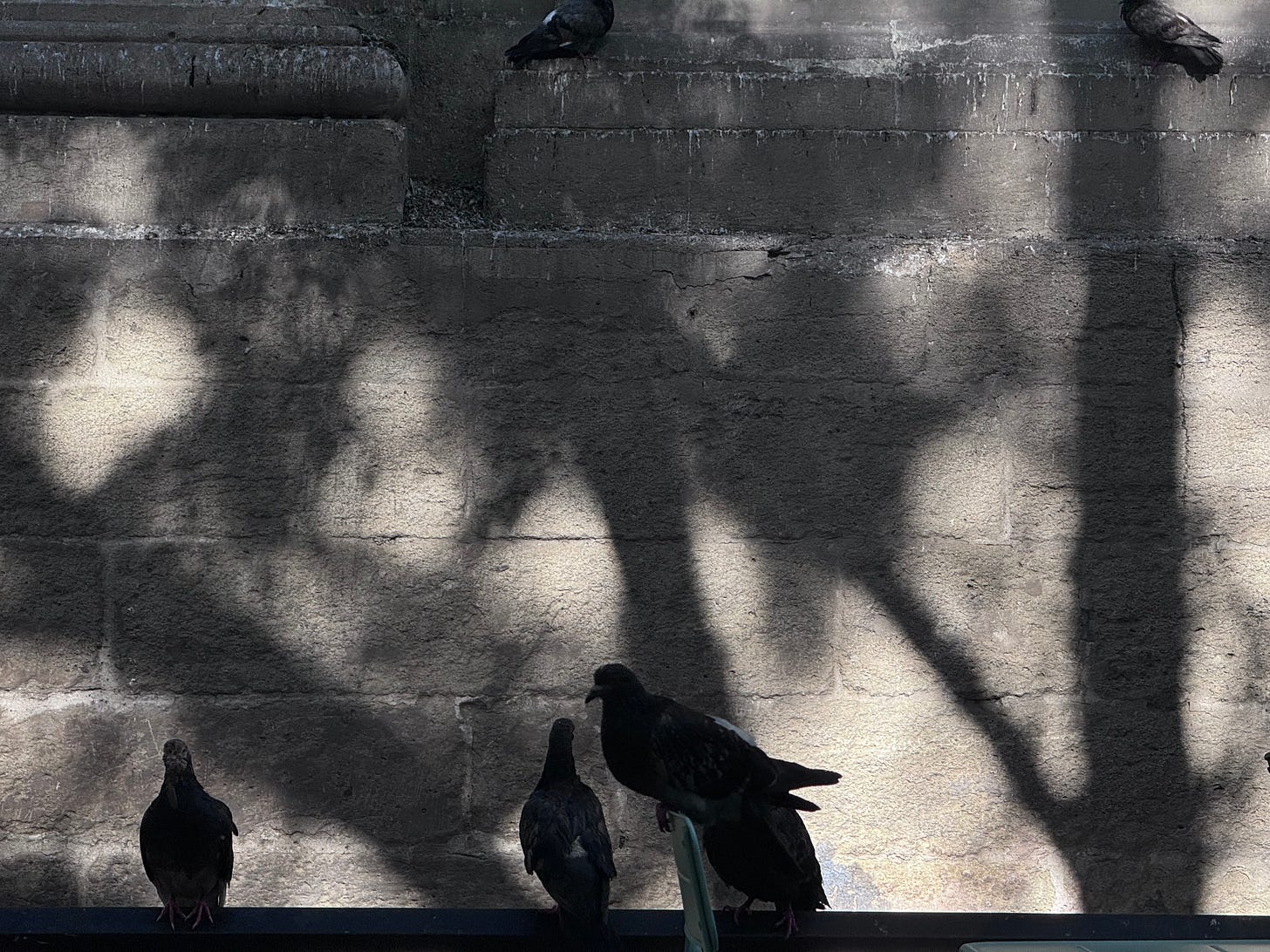
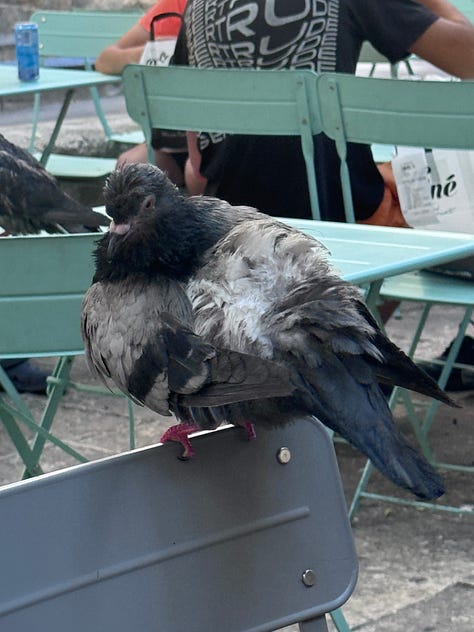
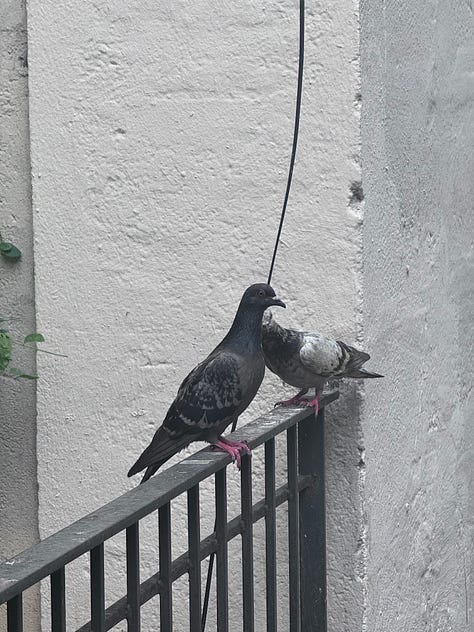
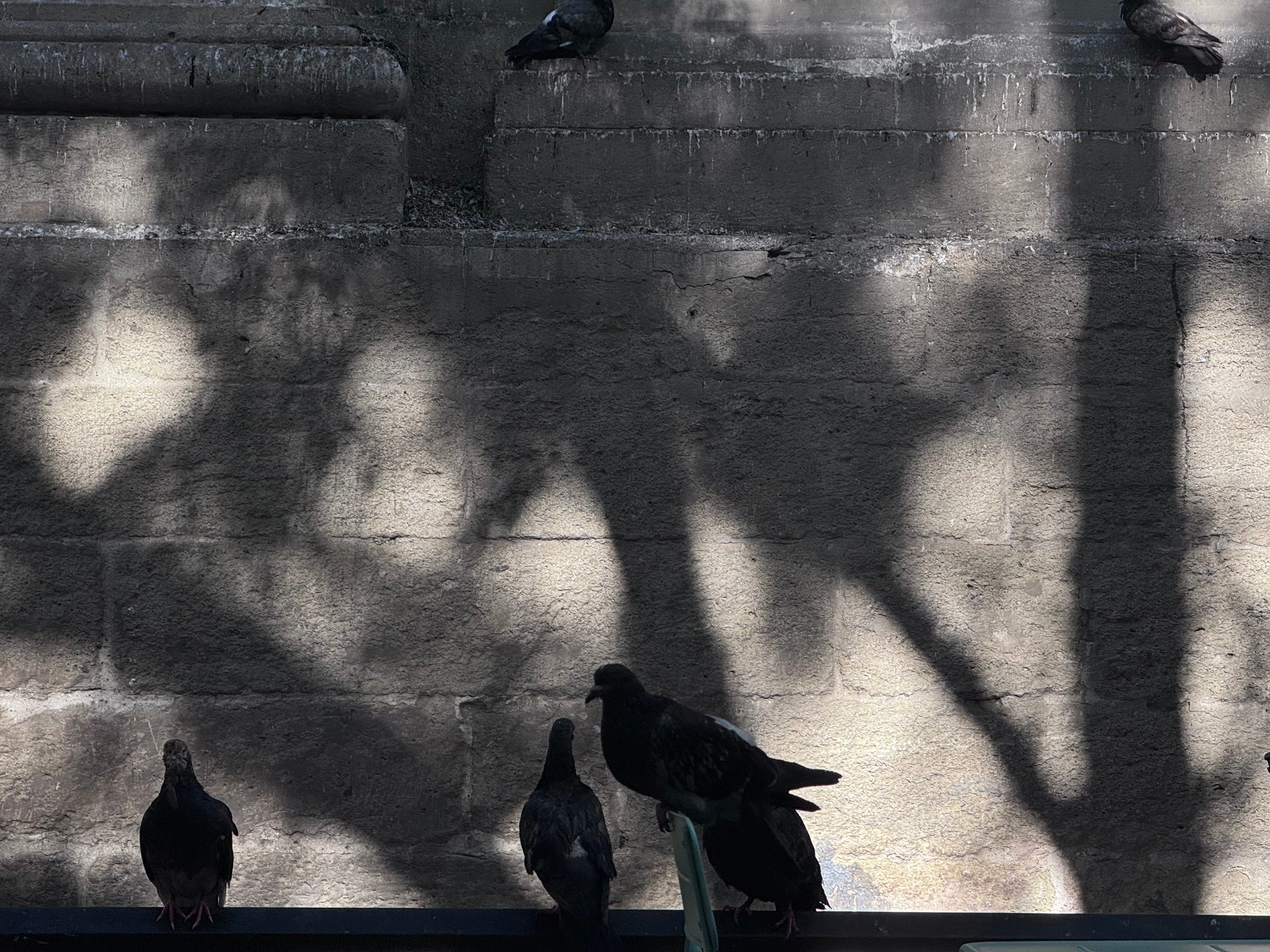
And some of my favorite pigeons of Montpellier:
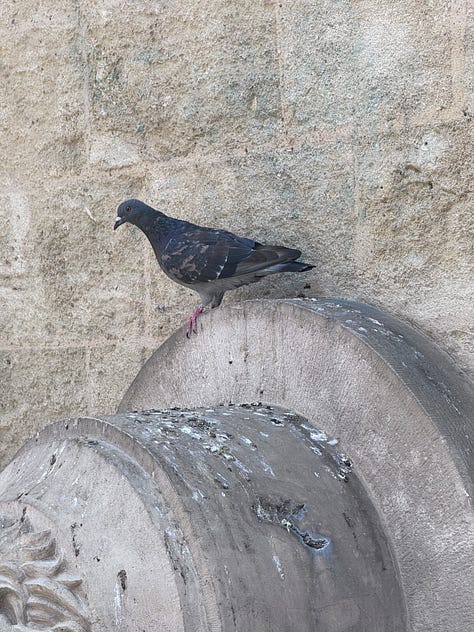
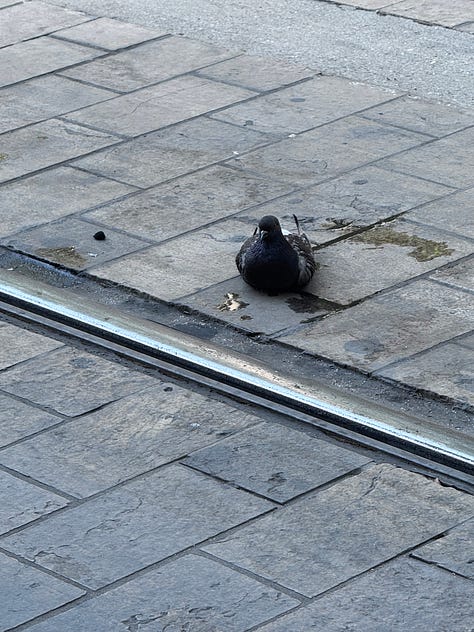
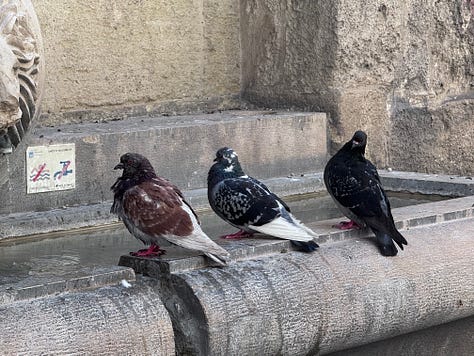
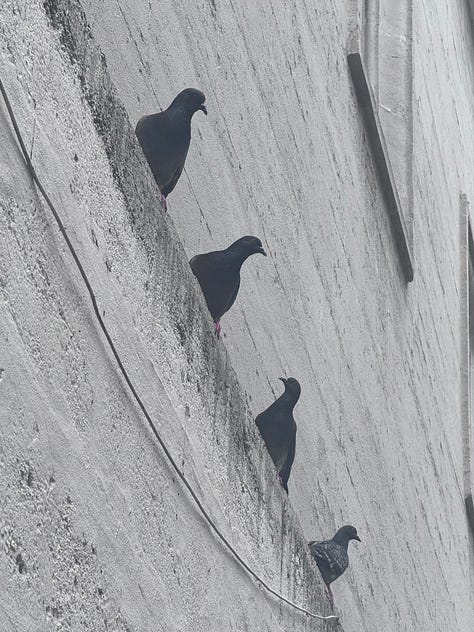
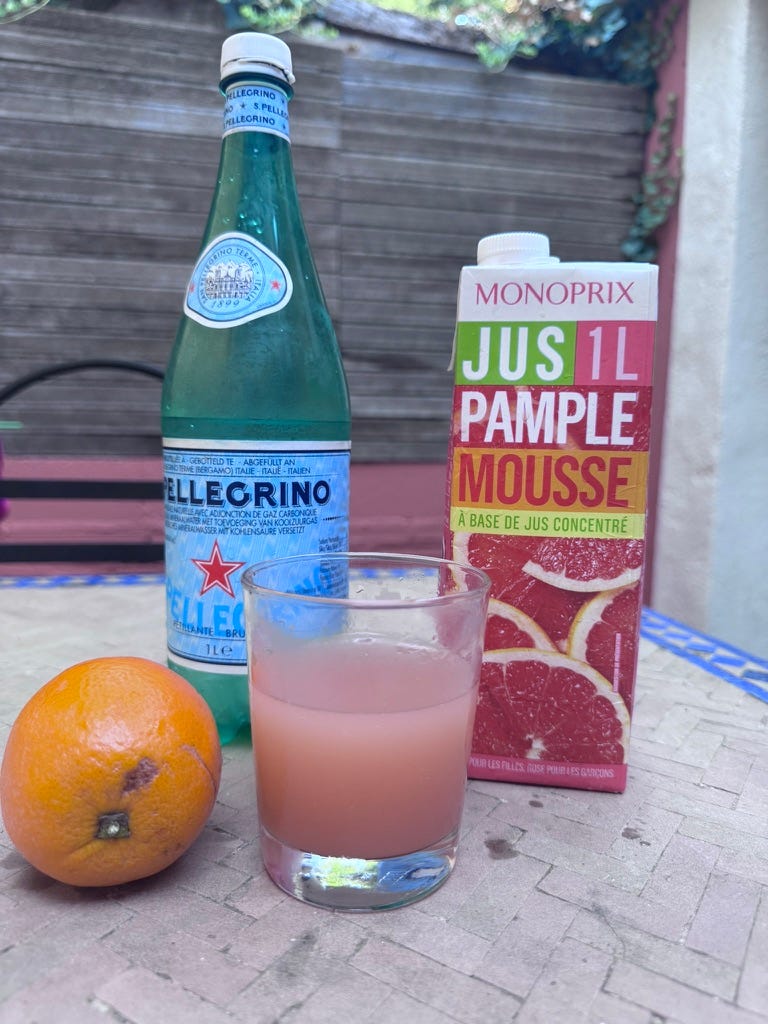
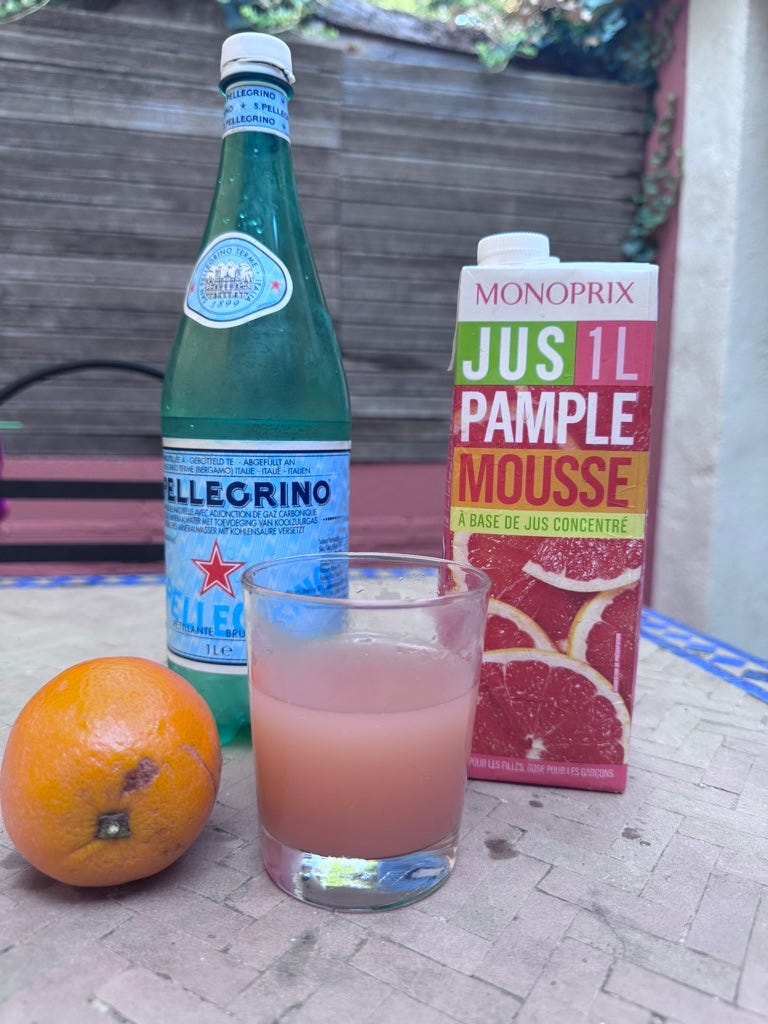
I love oranges! When I arrived here, I bought a big bag of navel oranges. On my 1km walk home, I peel an orange and eat it slowly. I place the peels in my purse amongst my notebooks; I want the citrus everywhere. I have a new summertime drink. It isn’t that fancy — just San Pellegrino and grapefruit juice with one orange wedge.
My 41st birthday is on August 1st. It is hard for me. I have often spent my birthday alone, which isn’t a problem. However, in 2018, things shifted significantly because my now ex-husband did something absolutely terrible to me. I have not been able to forget this. And I do not think I should. While it has significantly changed me — I know I am different now — I want a different relationship to this change. I think I want to find a way to unmark my birthday. Some sort of overwriting. The palimpsest. The marks are still there, but they can no longer command such a dominant role in my memory. For folks who have had traumatic birthday experiences, what have you done to reclaim the day? Eight years of non-celebration is just too long.
In my last newsletter, I wrote:
I unpublished everything published before 28 June 2026. I will be republishing bits of these in the coming weeks. At the time of writing, I did not know what I was coming into knowing now, and I wanted to return to the scene of presumed certainty to take another look, to linger, to stay with it. At a time of unchecked and compulsory growth, I want to honor what already exists. Instead of writing more and more, how can I return to existing writing and write from there? In my 28 June 2026 list dump, I wrote about compost as a method for poetry writing. As a death doula in training, KJR Studios engages with a poetics of life cycles rather than compulsory or uninterrupted growth. I revise, often publicly, using an ethos of activated compost piles. Nothing is disposed of. Nothing is wasted. Each gesture goes into the pile. There, it generates heat energy through active digestion and respiration – the ideas consume one another and share breath. I invite the worms and insects. When a new project launches, it launches from this compost pile where gestures and ideas have had time to be in a convivial relation.
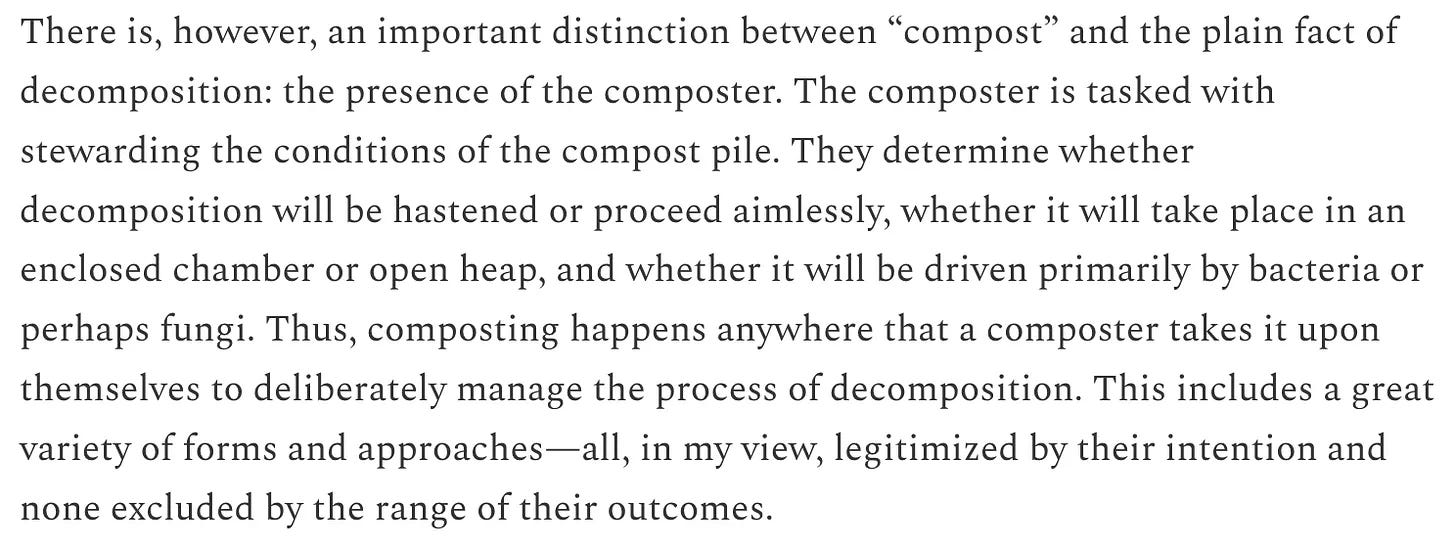
I am enjoying this language of compost and ecosystems; however, something was missing, and I could not name it. After a four-hour nap in this unbearable heat here in Montpellier, I received a Substack notification. Someone I’d recently subscribed to — cass marketos — shared a newsletter titled “What is compost?” And I almost did not read it because I said, “You know what compost is.” I am glad I deferred that certainty (and we should all defer certainty, or at least suspend it). While I know what compost is, there was a blindspot, myopia one might argue. Marketos is the author of the yet-to-be-read, but top of my growing list of aspirational reads, book Compost this Book: A Practical Manifesto for Purposeful Decomposition. In their recent newsletter, they write:
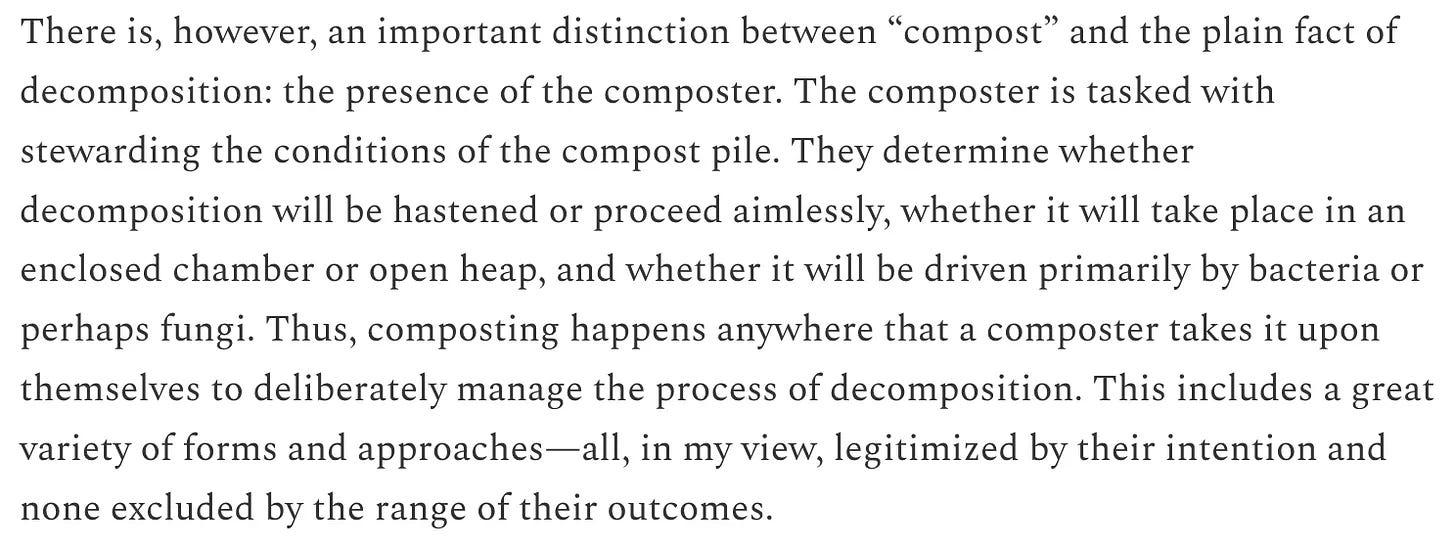
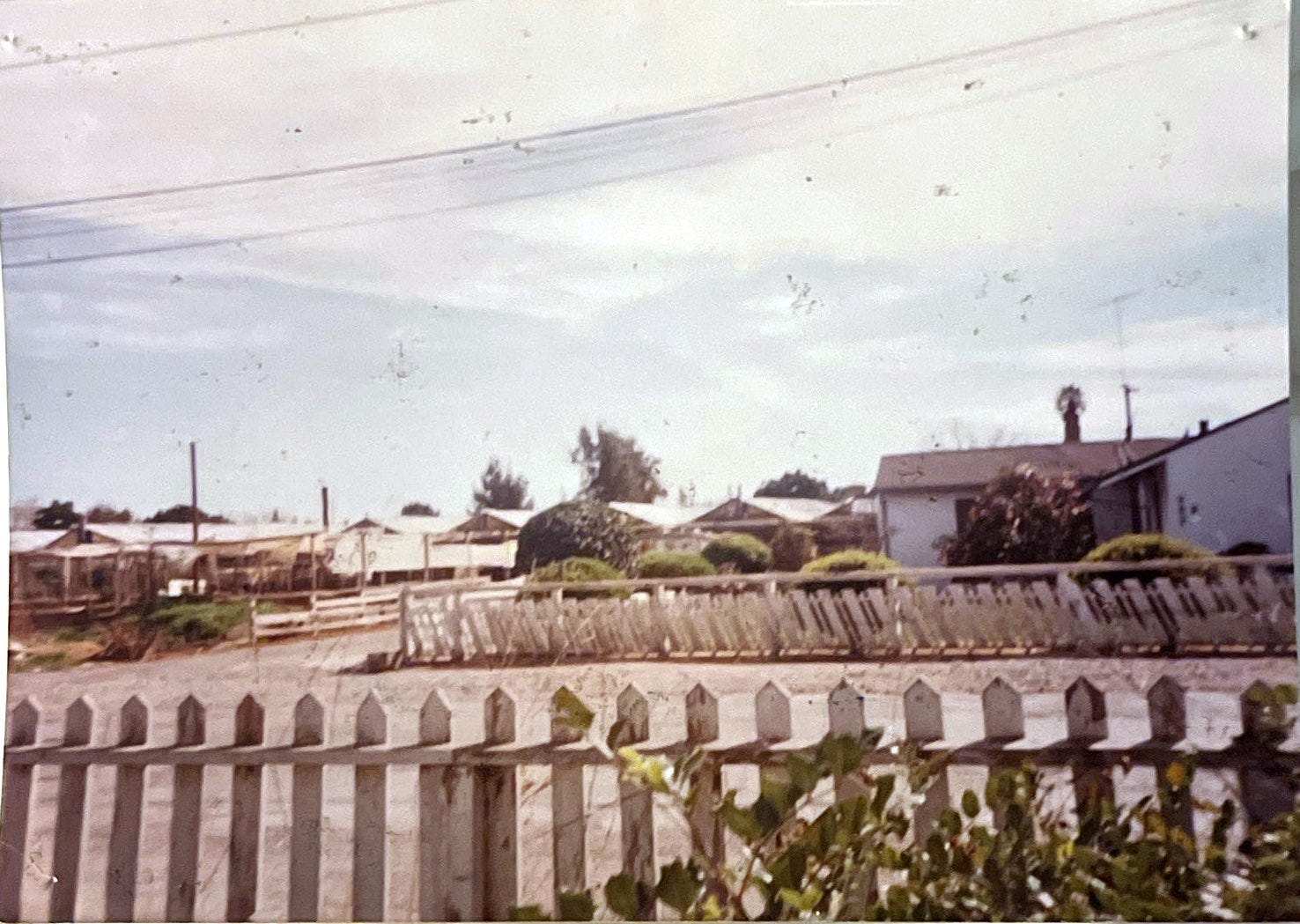
What I was missing was the role of “stewarding the conditions of the compost pile.” That is me. How does stewardship play into my practice? In building language to better understand my language, I was immediately drawn to compost. I have vivid childhood memories.
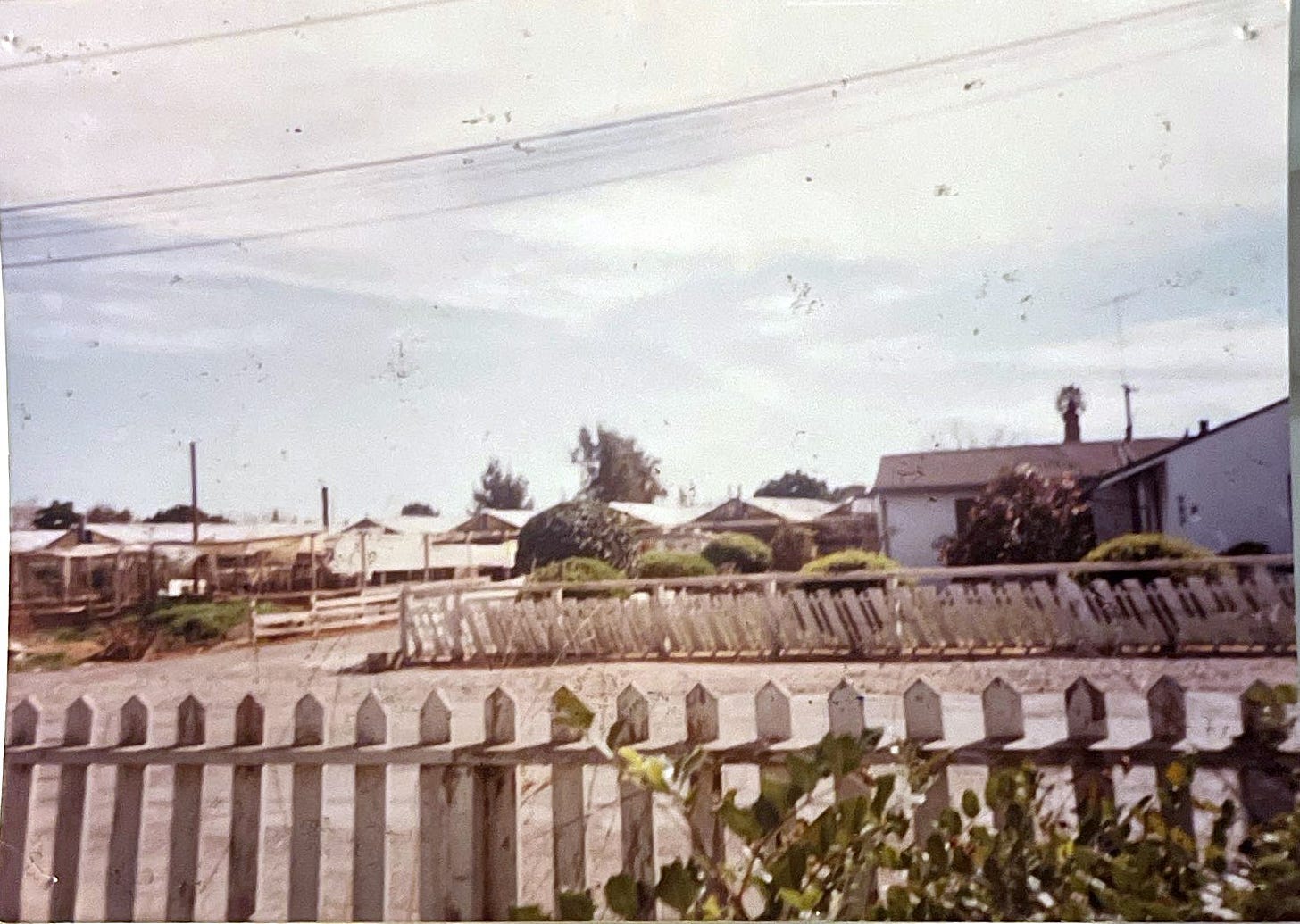
And in those memories, I never reflect on my conscious role in the process. Even organic processes require collaborative intention. My parents did not select a random location. They nurtured the context for this process to happen. And then I inherited this pre-formed compost bed. What does it mean to start my own compost pile? If my practice emerges from the poetics of the compost pile, then what are the brown materials (carbon-rich), the green materials (nitrogen-rich), and the well-drained spot that hosts this entire process? The thing about me and metaphors is that once I go there, I need to really take it there. I do not use metaphors casually; they are not decorative or performative. When I draw myself closer to an emergent metaphor, I seek temporary scaffolding to prop up ideas as I am working them out. When I think about my history of metaphor use, I think about accountability, not solely beauty or seduction. I do not use language to ornament ideas, even though I love a “pretty” sentence. When I use language, I want to live inside it, fuse with it, maybe ingest it. Or as I noted for my 2024 REDCAT solo exhibition, i want to climb inside every word and lick the salty neck of each letter. I want to live inside the house of logic that the language has built. As I inhabit a metaphor,
Have I considered all the limits?
Have I stretched the comparisons beyond their elastic limits?
How long can I inhabit this language before it becomes claustrophobic?
Is this metaphor load-bearing enough to hold up these ideas? Can it sustain the future iterations and increased complexity over time?
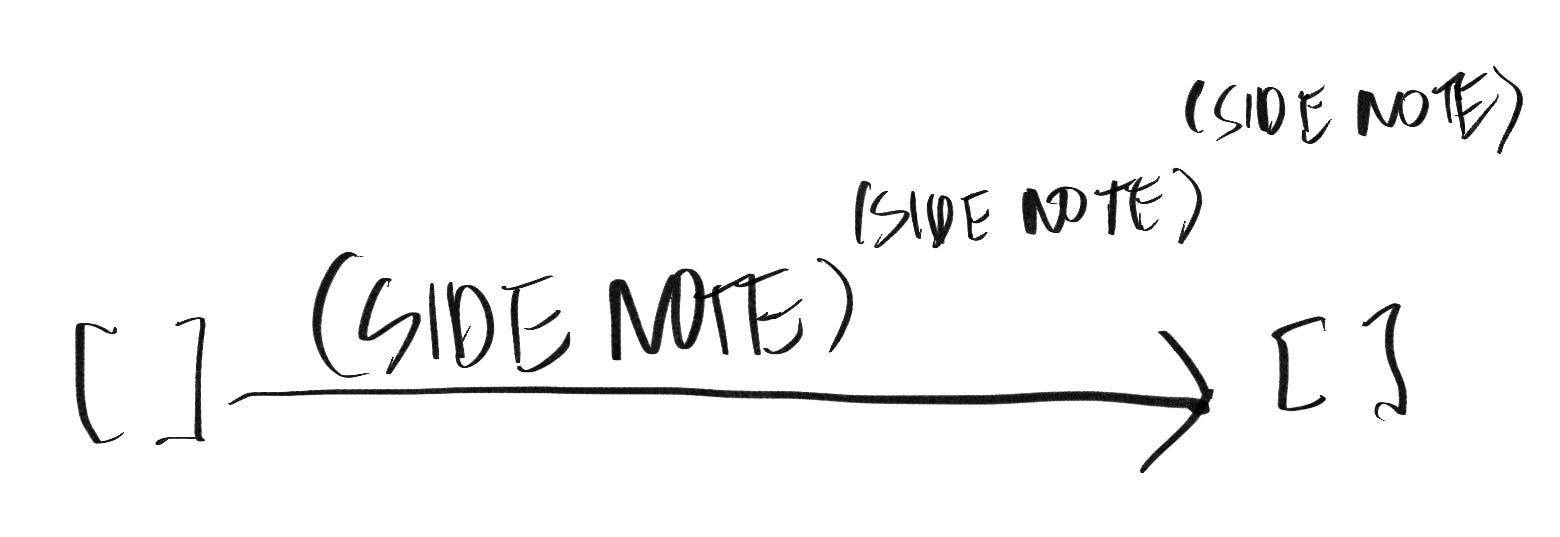
Is my practice in conversation with a poetics of compost, or do I just like how it sounds to say that? Before I answer that, I want to talk about how I feel about metaphors. (Also, would love it if Substack provided more formatting options! How am I supposed to really write with this limited range of options to play with the position of text? Just like I spent almost a decade trying to jailbreak Google Docs to get them to do more of what I desired — with some success, I will approach this platform limitation in the same way!)
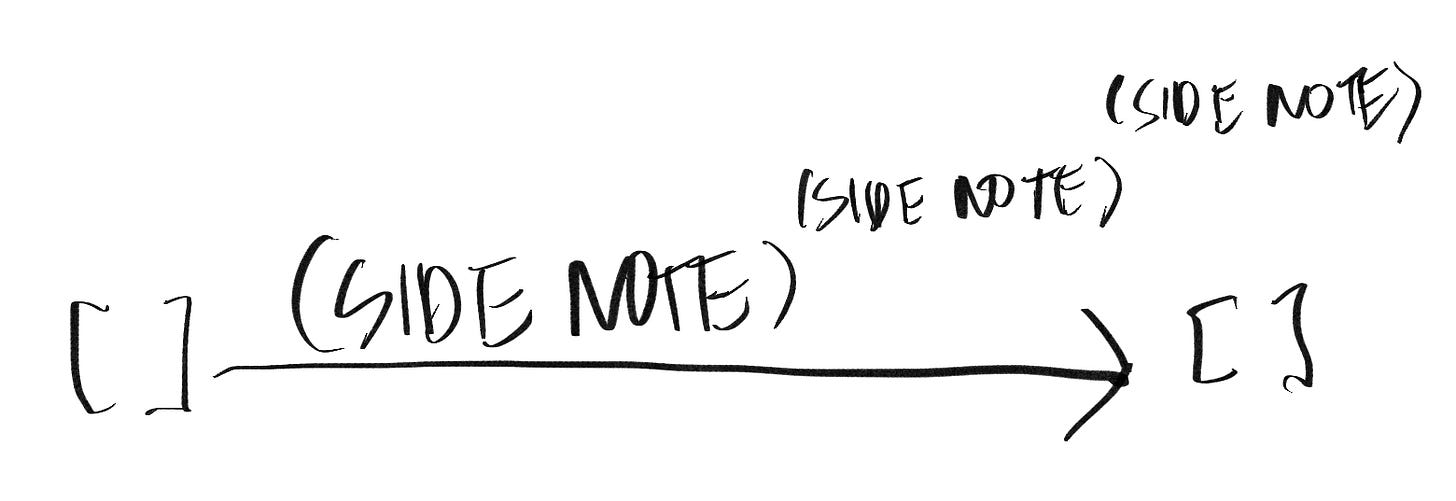
I do not believe the hype about mixed metaphors. A mixed metaphor is “a figure of speech that combines two or more incompatible or inconsistent metaphors into a single, often illogical comparison.” The Gotham Writers’ website says, “Mixed metaphors are a common slip-up in figurative language, and they’re a sure mark of the writer losing control of the language.” But isn’t using a metaphor already an admission that we’ve lost control of language? That concrete or siloed language cannot do what I need, so I must go in search of scaffolds, supports, and surrogates. Language is relational. Not using a mixed metaphor is arrogant – something like a self-aggrandizing savior figure: no one other than me is needed to clarify this idea. To talk about the complexity of relationality, I find myself dancing between several metaphors at once.

****

A student once told me that human skin doesn't have receptors to feel wetness. She said it is called hygroreceptors or the process of hygro-reception. Humans do not have a single, dedicated sensory receptor. To perceive wetness – this erotic and abject sensation – humans must use multisensory integration. The nervous system combines information from different senses to build a unified understanding of the environment. The unity of understanding comes not from a single stimulus but from the collaboration between many stimuli. If wetness, a banal and routine experience, requires collaborative sensory technologies, why shouldn't my description of a complex experience likewise benefit from the multisensory integration of a mixed metaphor?

****

My relationship to mixed metaphors is parallel to my devotion to interdisciplinary practice and syncretic spiritual practice. Syncretism is a durational practice of uneven signal merging. Purity (and its attendant co-conspirators) is an illusion that assumes a disentangled world of hostile and hermetically sealed individuals. Resisting the uncoupled or refusing to "keep the proper confusions" (Charles Olson via Nathaniel Mackey's "Discrepant Engagement") is to seek an unhealthy alliance with fiction. Syncretism is the meeting of many signals and the negotiation at the point of contact. As I build mixed metaphors, I consider latency (signal delay), packet loss (when one or more transmitted data packets fail to arrive at their destination), and sensory gating (the brain's automatic process of filtering out irrelevant sensory information).
But, back to this question: In what ways does the composite metaphor align with my practice? Perhaps I am composting the unused/misdirected potential of abandoned projects, noise in old field recordings, sundry science facts, essay drafts, screenshots, lucid dreams, and…
I am making very bad music, and it’s quite liberating. As I approach 41, I want to do many things without the goal of mastery. I am okay with being an amateur. In fact, I thrive here because there is more space for play and pleasure. While teaching this week, my fan was facing the mic, and I loved the sound! I am trying to make bespoke instruments that are quite finicky and impossible to play consistently. I like a small fan fed into a mic and cicadas. I am also thinking about how to incorporate my theremin again. And! And! I am doing some fun field recordings. I am also returning to an old project I abandoned due to time constraints.
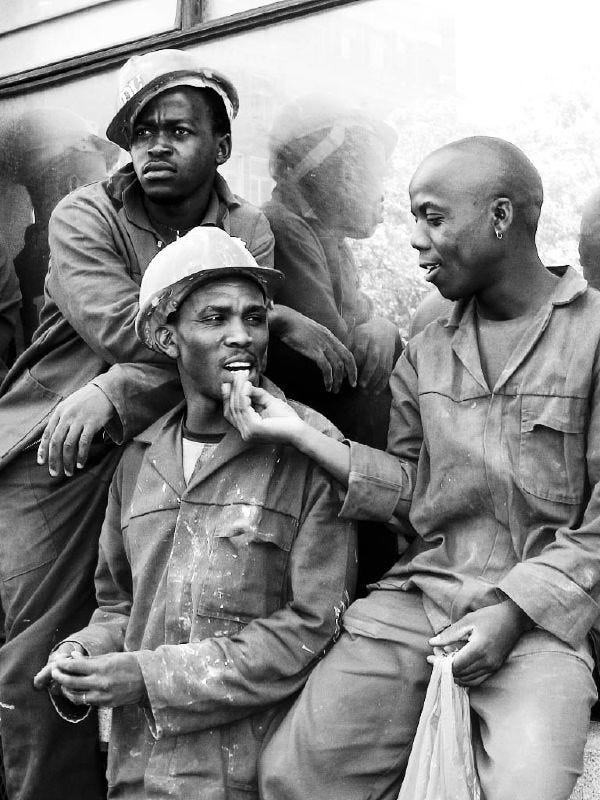
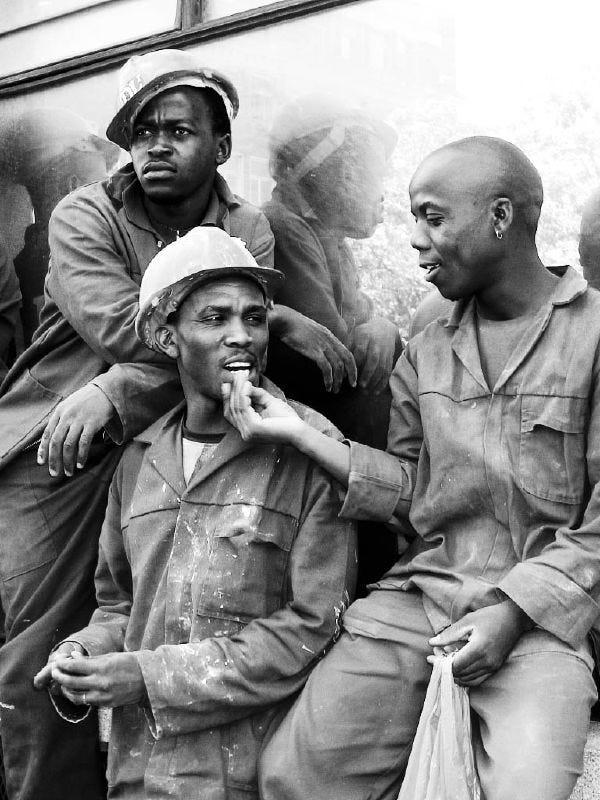
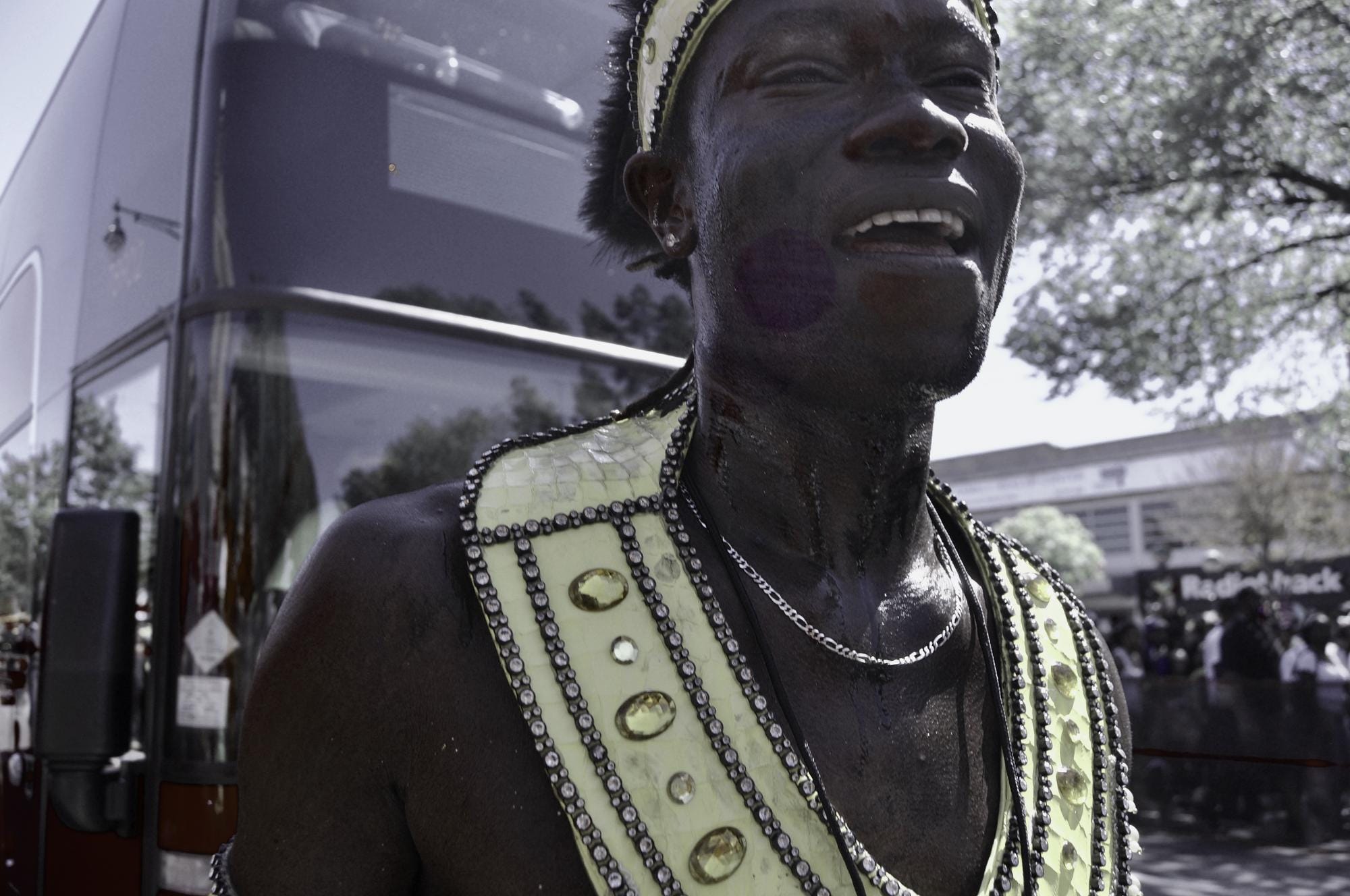
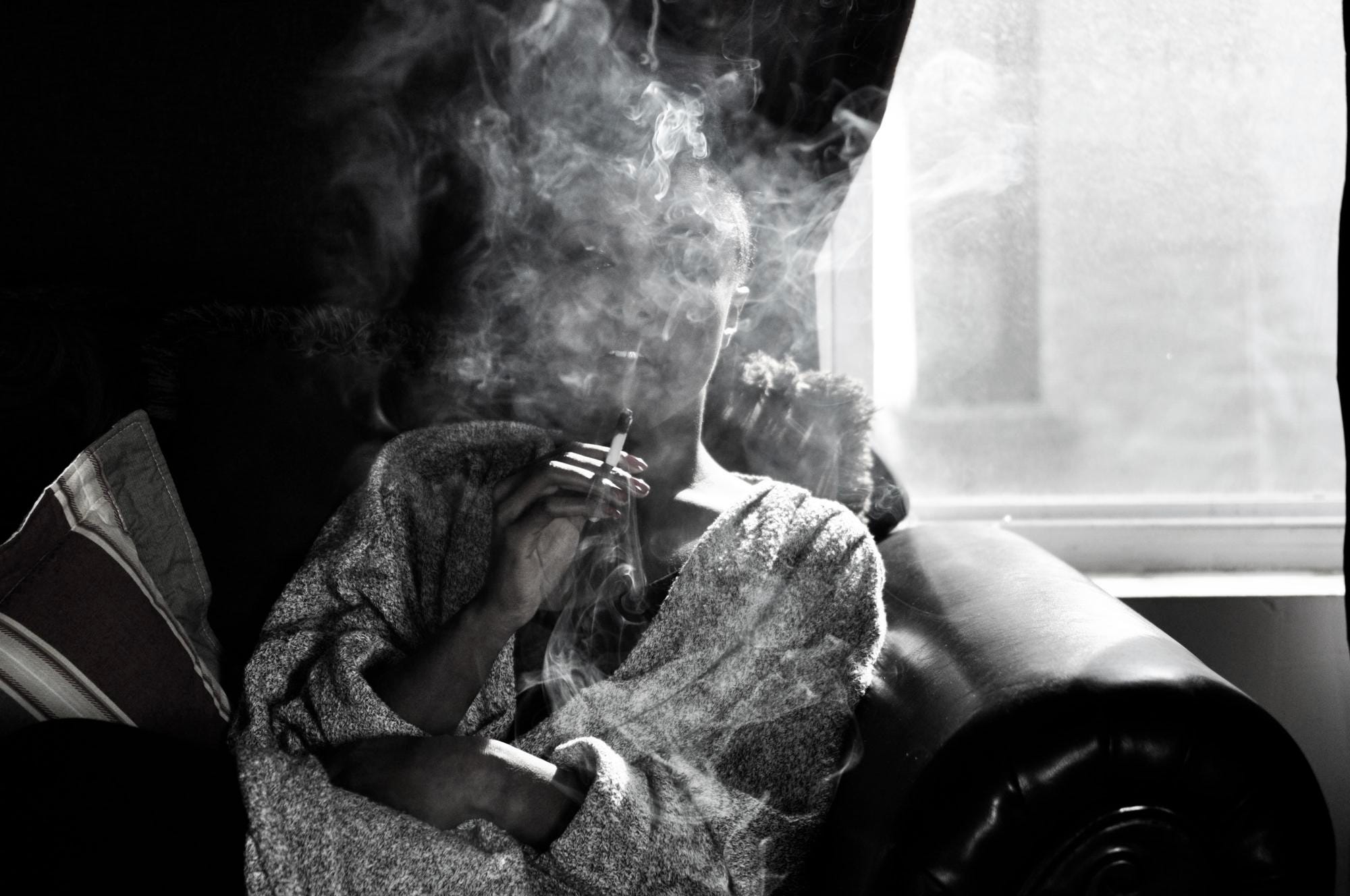
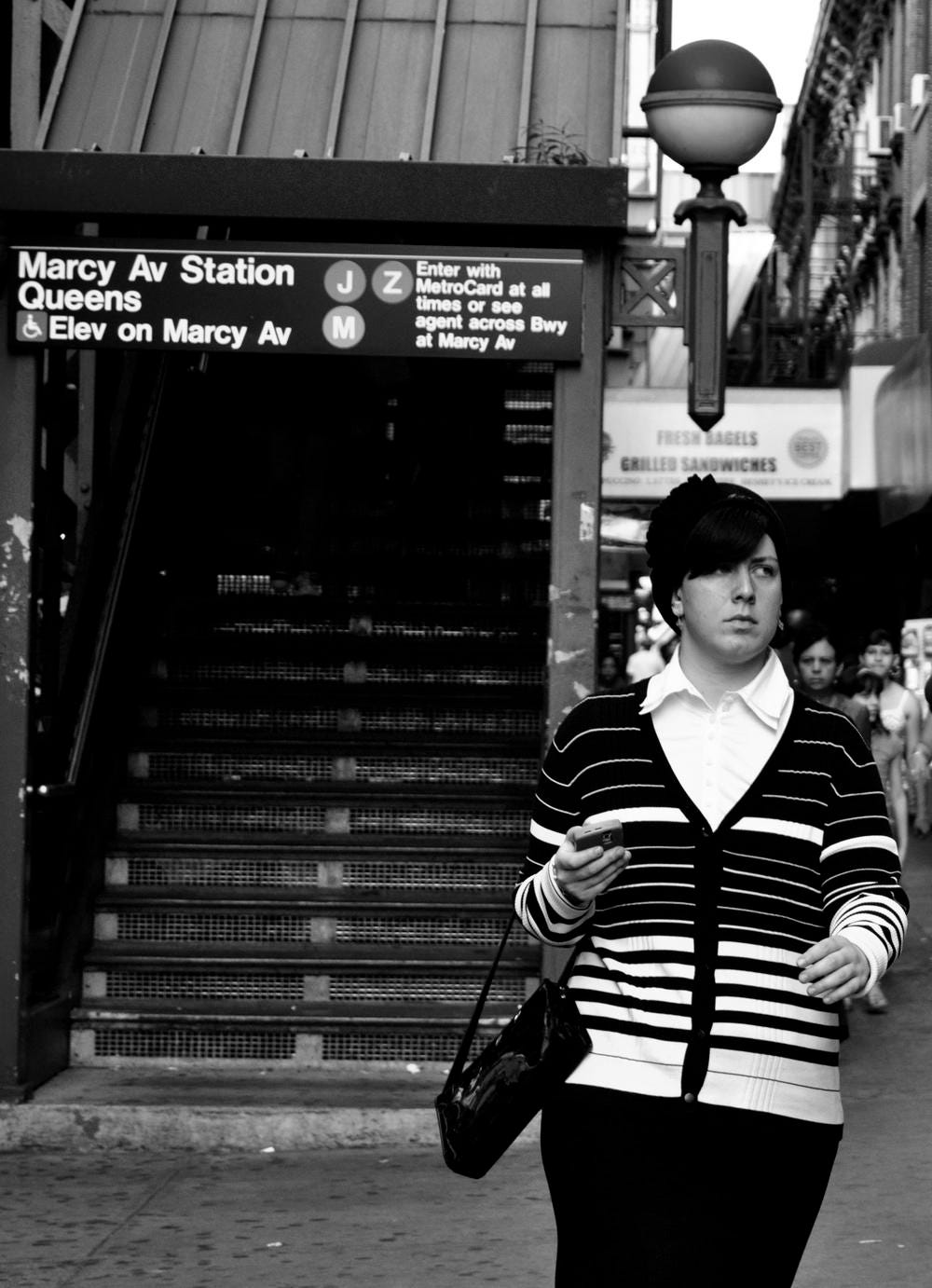
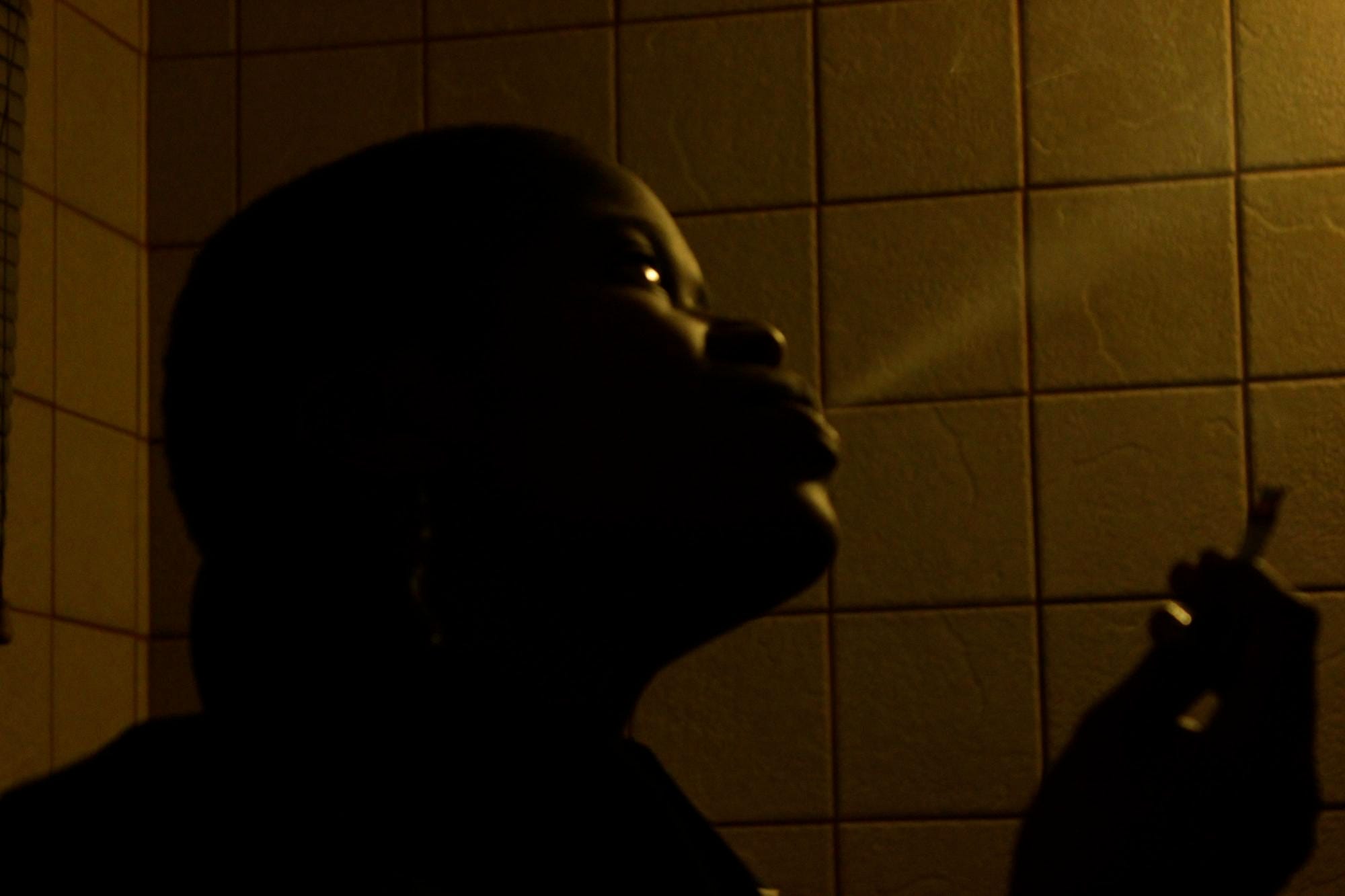
I have been falling back in love with photography. I think this makes a lot of sense. In 2021, when I started making video works, I could sense this was a slide back into a love for lens-based work. Once upon a time, I was shooting every day and loved the high intensity of it all. Here are some of my favorites from almost two decades ago, lol!


See you next week for another list!
Thanks for being a pal!
All the best, always,
Kameelah 👽

How to cite this newsletter: Rasheed, K. (Year, Month Day). Newsletter Title. I Will (?) Figure This All Out Later. URL
I’m so glad/honored you gave my post a chance and that it resonated! Thank you so much for sharing your thoughts.
Also: if you are interested in a copy of my book, I’d also be MORE THAN happy to simply send you a copy. :)